Self-esteem is how a young person values themselves. When it's low, a harsh inner critic can turn setbacks into proof of not being good enough. That’s why telling them how wonderful they are is often not enough on its own. Low self-esteem is not a diagnosis in itself, but it is closely linked with a great deal of anxiety and low mood. This guide covers what it looks like, what helps at home, and how therapy can help.
Article summary
Key takeaways
- Self-esteem is how a young person values themselves. Low self-esteem often shows up as a harsh inner voice treating setbacks as proof they aren't good enough.
- It often hides behind perfectionism, people-pleasing, humour or a confident front, so it's easily missed in a child who looks like they're coping.
- Low self-esteem isn't a diagnosis, but research suggests it's closely associated with anxiety, low mood and later depression.
- What you do at home matters: praising effort over outcome, gently naming the inner critic, and steady, unconditional presence can all help.
- Self-esteem is learnable and can be rebuilt. Counselling can help soften the inner critic over time.
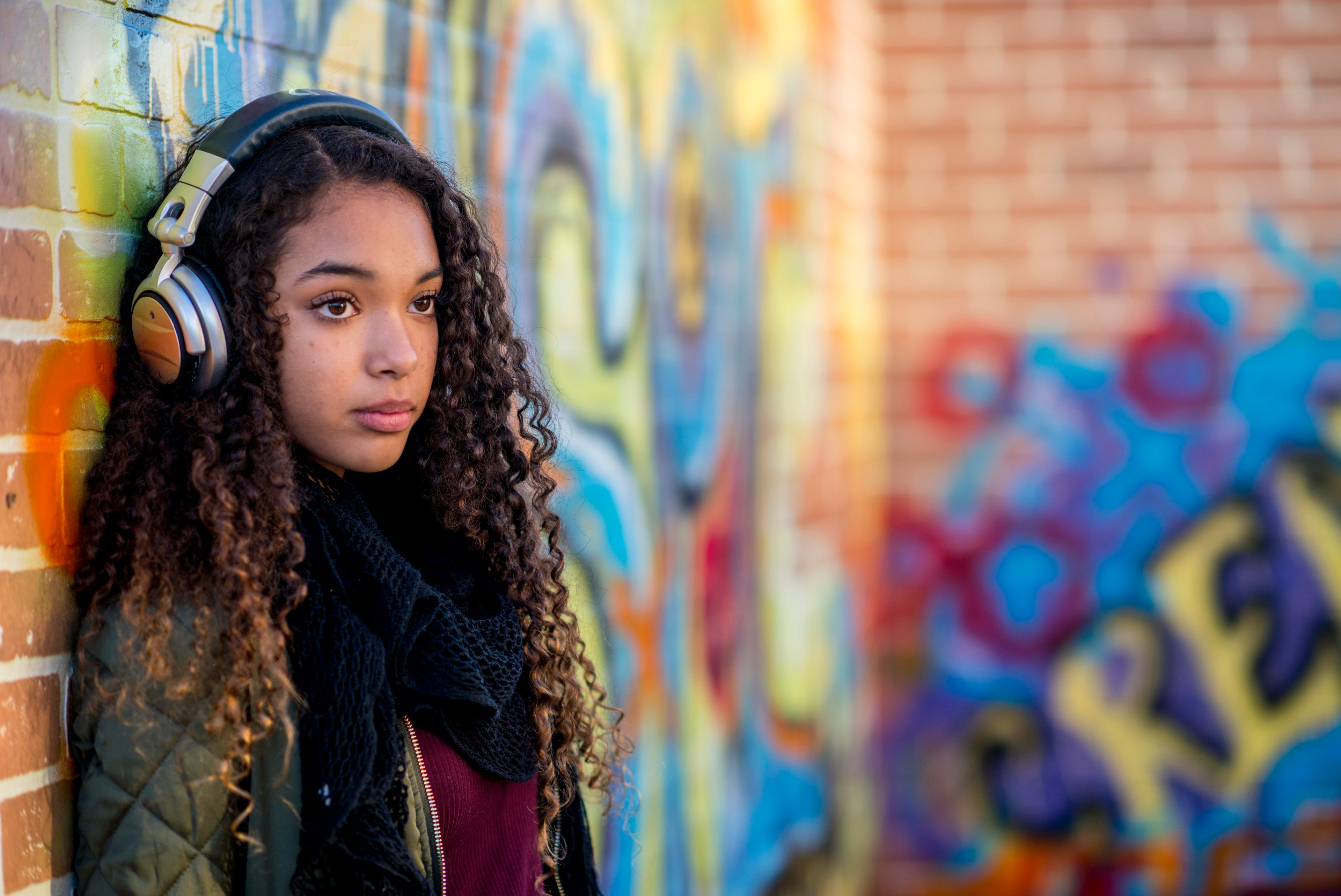
Few things are harder for a parent to hear than their own child speaking unkindly about themselves. "I'm stupid." "Nobody likes me." "I can't do anything right." "What's the point, I'll only fail." When a child's view of themselves turns harsh and stays harsh, it can affect a great deal: how they handle setbacks, how they form friendships, whether they try new things, how they cope when life is difficult. And no amount of telling them how wonderful they are seems to land.
This guide is for parents who are watching their child's confidence and self-worth slip, and want to understand what’s going on and how to help. It covers what self-esteem is, what low self-esteem looks like (including the versions that hide behind perfectionism or humour), why it develops, what helps at home, and how counselling fits in. Where we mention something that has its own deeper article on our site, you'll find a link to read more.
What is self-esteem?
Self-esteem is how a young person sees and values themselves. It's the running, mostly background sense of whether they're fundamentally okay, worth something, and able to cope. It shapes how they approach challenges, how they relate to other people, and how they recover when things go wrong.
When self-esteem is healthy, a young person can take a setback without it becoming a verdict on their whole worth. They can try things, get them wrong, and try again. They can accept a compliment, tolerate a criticism, and hold a basically steady sense of themselves through the ordinary ups and downs of growing up.
When self-esteem is low, that steady internal base can be much harder to find. Setbacks can feel like proof of inadequacy. Mistakes can feel like evidence of being fundamentally not good enough. The young person's internal voice can become a harsh, persistent critic that colours a great deal of their day. Everyone's confidence wobbles sometimes, and a wobble after a hard day, a friendship falling out, or a disappointing result is normal. The concern is when a young person seems stuck in self-criticism and self-doubt, and it’s not lifting.
Healthy self-esteem is not constant confidence
It's worth being clear about what we’re aiming for, because the cultural conversation often gets this wrong. Healthy self-esteem is not relentless confidence, loving everything about yourself, or believing you're the best at things. That is not realistic and it’s not the goal.
Healthy self-esteem is something steadier and quieter: a young person who knows they have worth that doesn't depend on their latest performance, who can be wrong without being worthless, who can hold their strengths and their limitations at the same time without either one defining them. It's a grounded, realistic, reasonably kind relationship with themselves. That's what we work toward, and it's within reach for many young people.
What low self-esteem looks like
Low self-esteem doesn't always look the way parents expect. It can be loud, but it's often quiet, and it sometimes hides behind its opposite. Common signs include:
- Harsh self-talk. "I'm stupid." "I'm useless." "Everyone hates me." Said aloud, or visible in how the young person talks about their own efforts.
- Avoiding challenges or giving up easily. Not trying, or stopping at the first difficulty, to avoid the risk of failing.
- Constant reassurance-seeking. Repeatedly needing to be told they're okay, did well, or are liked.
- Withdrawal. Becoming quieter, pulling back from friendships and activities.
- Sensitivity to criticism. Small corrections landing as devastating.
- Difficulty accepting praise. Deflecting, dismissing, or disbelieving positive feedback.
- Perfectionism. Setting impossibly high standards and treating anything short of them as failure.
- People-pleasing. Over-adapting to others, struggling to say no, basing their worth on being useful or liked.
- Mood changes. Irritability, frustration, or tearfulness when things go wrong.
And sometimes low self-esteem hides behind humour, a confident front, or relentless achievement. A young person can look fine, even impressive, on the outside while their internal voice is very harsh. The high-achieving, perfectionist, people-pleasing child can easily be missed. These signs are prompts, not a checklist: a child can have low self-esteem without showing them, and can show some without it. If you are worried, ask how they are feeling and talk to their GP or a counsellor.
How common are self-esteem difficulties?
Self-esteem is not a clinical diagnosis, so there is no single figure for how many young people have low self-esteem. But the wider picture of children's wellbeing in the UK gives a sense of the scale, and a reason not to feel alone. Around 1 in 5 (20.3%) of 8 to 16 year olds in England had a probable mental disorder in 2023, rising to 23.3% of 17 to 19 year olds and 21.7% of 20 to 25 year olds [1].

Alongside this, children's own sense of how happy they are with their life, their friendships and their appearance has been falling for more than a decade, and UK teenagers now report some of the lowest life satisfaction in Europe [2]. A struggling sense of self-worth is often one of the threads running underneath these numbers. Low self-esteem is often not the only thing going on, and it is not always the thing a family names first, but it's often part of the picture, and it's a reason many families come to us for counselling.
Why young people struggle with self-esteem
There’s no single cause. Self-esteem is built, and dented, by a wide range of experiences:
- Difficult life events: bullying, family breakdown, bereavement, moving, or other significant change.
- School pressure: struggling academically or socially, or feeling constantly measured and found wanting.
- Comparison: feeling that everyone else is doing better, coping better, or looking better.
- Feeling different: not fitting in, or feeling out of step with peers, including for neurodivergent young people.
- How the young person is spoken to and about: children absorb the messages around them, including the ones that were never meant unkindly.
- A naturally self-critical or anxious temperament.
- How they learn to talk to themselves: the internal voice is, in part, learned, and it can be relearned.
Self-esteem is shaped a great deal by the everyday: whether a young person feels heard, whether they feel valued for who they are rather than what they achieve, and how the adults around them respond when things go wrong.
Social media and self-esteem
Social media is part of life for almost every young person, and its effect on self-esteem is genuinely mixed. It offers connection, creativity, community, and belonging. It also offers an endless, curated stream of other people's best moments, against which some young people measure their ordinary inside.
Comparison is one way social media may affect self-esteem. Seeing highly curated images or achievements can encourage some young people to compare themselves with others, particularly around appearance. For a young person whose self-esteem is already fragile, this can be especially hard. Girls, on average, report being less happy with how they look than boys [2].
A blanket ban is not usually the answer: it can cut a young person off from genuine connection and can be hard to stick to. What can help instead is supporting young people to use social media more consciously, notice its effect on their mood, build resilience alongside it, and keep sources of self-worth that have nothing to do with screens. Our body image hub covers the closely related territory of appearance and social media in more depth.
Self-esteem at different ages
Under sevens: young children's sense of themselves is concrete and closely tied to the responses of the adults around them. Self-esteem at this age is mostly built through feeling loved, safe, and accepted, and through being allowed to try, fail, and try again without harsh consequence.
Primary-age children (8 to 11): children start comparing themselves to peers in earnest, academically, socially, and athletically. Self-critical talk can emerge, along with perfectionism and a fear of getting things wrong. This is an important age to notice and gently address a harsh internal voice before it sets.
Early adolescents (11 to 14): self-esteem often dips through early adolescence. In a study following more than 11,000 UK children, wellbeing fell noticeably between the ages of 11 and 14, and children with healthier self-esteem at 11 tended to have better wellbeing at 14 [3]. Identity is under construction, peer approval becomes central, bodies are changing, and comparison intensifies. In a UK study of girls aged 11 to 16, self-esteem was lower among older girls than younger ones [4]. Many young people who were previously confident become much more self-critical at this stage.
Older teenagers and young adults (15 and over): self-esteem becomes tied up with bigger questions, including exams, the future, relationships, identity, and independence. Low self-esteem at this age can shade into depression, anxiety, and a reluctance to take the ordinary risks that growing up requires. Our pages on depression and anxiety cover the overlap.
Self-esteem and other difficulties
Low self-esteem often sits alongside other difficulties, including:
- Anxiety: a harsh internal critic and a fear of getting things wrong can feed each other.
- Depression: persistent low self-worth and hopelessness are closely linked. Our depression hub covers this.
- Body image difficulties: for many young people, self-worth and self-image are tightly bound together. Our body image hub covers this.
- Neurodivergence: being autistic or having ADHD is not the problem in itself, but many neurodivergent young people carry years of feeling different, being corrected, or not fitting in, which can wear self-esteem down. Our guidance on autism and ADHD covers the neuro-affirming approach.
- Self-harm and low mood: low self-esteem can occur alongside low mood, self-harm and other mental health difficulties. If these are present, they need to be taken seriously in their own right. Our guide to self-harm explains more.
There is also good evidence about the direction of travel. Across dozens of long-term studies of people from childhood to old age, low self-esteem tends to come before later depression, rather than simply being a result of it [5]. The same pattern holds in studies that follow teenagers into adulthood [6]. A UK review found that low self-esteem very often goes hand in hand with both anxiety and depression in young people [7].

These studies show a pattern across large groups of people, not what will happen to any one child. Even so, the pattern is part of why taking a child's self-worth seriously early matters: it can be a quiet thread that, left alone, feeds other difficulties later. Because low self-esteem is so often linked with other difficulties, it can become part of the work even when it is not what the young person first sought support for.
What it's like for parents
It's painful to watch your child be unkind to themselves. You may have spent months telling them how clever, capable, and loved they are, only to watch the words bounce off. You may feel helpless, or worried, or quietly grieving that the bright, confident child you knew seems to have folded inward.
You may also be wondering whether something has happened that you don’t know about, or whether something in family life, school, or friendships is responsible. And you may be carrying your own history with self-esteem, recognising patterns in your child that you know from the inside. A child's self-esteem is shaped by many things, and noticing what is happening is an important first step towards helping.
What to say and what not to say
A few things that tend to help:
- Praise effort and process, not just outcome. "You kept going even when that got hard" can build a sturdier kind of confidence than "You're so clever."
- Name the inner critic. "That sounds like the harsh voice in your head. Is that voice being fair right now?" This can help the young person see the self-criticism as something separate from the truth.
- Value who they are, not what they do. Make sure your child hears, often, that they matter to you regardless of achievement.
- Let them be wrong. Respond to mistakes calmly. Children learn their worth is stable partly by watching how the adults around them react when things go wrong.
A few things that tend not to help:
- Direct contradiction. "Don't be silly, of course you're clever." This is often experienced as not being heard, and rarely shifts the underlying belief.
- Praise that feels hollow. Over-the-top or appearance-based praise can ring false to a young person whose self-esteem is low.
- Comparison. "Your brother doesn't worry about this." This reinforces the sense of falling short.
- Fixing it for them. Stepping in to remove every challenge protects the young person from failure but also from the experience of coping, which is where confidence can grow.
What you can do as a parent
Several things can help at home.
- Model a kind internal voice. Children absorb how the adults around them talk about themselves. Catching and softening your own harsh self-talk can show them another way to talk to themselves.
- Praise the trying. Consistently notice and value effort, persistence, courage, and kindness, not just success.
- Let them experience manageable challenge. Confidence can grow through doing hard things and getting through the discomfort, rather than being shielded from all difficulty.
- Encourage activities they genuinely enjoy. Doing things that feel purposeful, creative, or fun can build self-worth from the inside, away from comparison and measurement.
- Keep showing up. Even when a young person pushes you away, steady, unconditional presence helps give self-esteem a steady foundation.
- Look at the wider picture. If bullying, academic struggle, or needs that have not been recognised or supported (such as a learning difficulty or neurodivergence) are quietly wearing down your child's self-worth, addressing that directly matters.
- Look after yourself. Parenting a self-critical child is emotionally heavy. Your own support and rest are important too.
When to seek professional help
It's worth seeking professional support when your child is struggling to enjoy life, connect with others, or believe in themselves; when they're becoming withdrawn, anxious, or tearful; when they talk negatively about themselves regularly; or when you feel worried and unsure how to help.
It can help to think about how long it has gone on, how deep it seems, and how much it is affecting friendships, school, or daily life. There is no set length of time to wait: if you're worried, that's reason enough to ask for help now.
If your child talks about harming themselves or about suicide, or you see signs of self-harm, contact your GP and ask for an urgent appointment, or call NHS 111. If you believe your child is in immediate danger, call 999 or go to A&E. The Samaritans are also there to talk on 116 123, and Childline on 0800 1111 (for under-19s), or you can text SHOUT to 85258 at any hour. Finding Therapy is not a crisis or emergency service.
How counselling helps with self-esteem
At Finding Therapy our work is integrative talking therapy. Our counsellors work relationally, building a trusting, accepting space with the young person, and drawing on the approaches that suit them as an individual. The therapeutic relationship is an important part of the work, alongside appropriate assessment and interventions.
A large review of 99 studies of child and adolescent therapy found that a trusting relationship between a young person and their counsellor is consistently associated with better outcomes, across different approaches [8]. For a young person with low self-esteem, the steady experience of being genuinely seen, accepted, and valued by a non-judgemental adult can itself be a counterweight to the harsh internal voice.
The strength of the relationship between a young person and their counsellor is consistently associated with better outcomes, across different approaches.
A central part of the work is helping a young person build self-compassion: learning to treat themselves with the kindness they'd offer a friend. Across studies of more than 7,000 young people, those who are more self-compassionate tend to experience markedly less anxiety, depression, and stress [9]. It seems to matter most where self-criticism and perfectionism are strongest [10], and in one small consultation, young people said they'd be more likely to take up help that eases their self-criticism than help that focuses on being kinder to themselves [11].
Across studies of more than 7,000 young people, those who are more self-compassionate tend to experience markedly less anxiety, depression and stress.
In practice, integrative talking therapy for self-esteem typically involves:
- Building a safe, accepting space where the young person feels heard and respected.
- Understanding the inner critic: where the harsh beliefs came from, how they developed, and how they've been reinforced over time.
- Gently challenging unhelpful beliefs, helping the young person notice the inner critic and question whether its messages are accurate or fair.
- Building self-compassion, helping the young person learn to treat themselves with kindness.
- Recognising strengths, helping the young person see their qualities, achievements, and worth more clearly and steadily.
- Working with co-occurring difficulties and, where helpful, with parents and the wider family.
CBT has some direct research evidence for low self-esteem in teenagers. Other approaches, including person-centred, relational, self-compassion and creative work, are also used, although the strength of the evidence, and how directly it relates to self-esteem, varies. At Finding Therapy, they sit together within an integrative way of working.
A clinical perspective from one of our counsellors
Anneleyce Dunlop, MBACP, a Finding Therapy counsellor with experience in supporting children and young people with self-esteem, shares how she works in her sessions:
"As a counsellor who works with young people, I have extensive experience supporting those struggling with self-esteem. My therapeutic approach is individualised, often integrating different techniques and drawing from a range of modalities, such as person-centred therapy and cognitive behavioural (CBT) approaches, to suit the unique needs, personality, and developmental stage of each client."
"I believe that creating a safe, accepting space where a child or young person feels heard and respected is essential for meaningful therapeutic work. Using a collaborative approach, I work with them to explore underlying thoughts and beliefs that may be affecting their self-esteem. Together, we often identify negative core beliefs, look at how they developed, and understand how they've been reinforced over time."
"A key part of this process involves gently challenging unhelpful beliefs and patterns of thinking. I support young people in recognising their inner critic and beginning to question the accuracy and helpfulness of its messages. We then explore alternative, more balanced perspectives, and I encourage the use of self-compassion throughout this work. Self-compassion can be a powerful tool in improving how we see ourselves, increasing self-worth, and building resilience."
"I also place emphasis on helping young people recognise their strengths, achievements, and positive qualities. This fosters greater self-awareness, self-acceptance, and self-efficacy. While exploring their thoughts, feelings, and behaviours, I encourage compassion and non-judgement, so that the process of self-exploration feels safe and supportive."
"In addition, I help children and young people explore self-care practices that promote overall wellbeing, such as relaxation techniques, mindfulness, or creative expression. These activities can support emotional resilience and offer ways of practising kindness and care towards themselves."
"Throughout my work with children and young people experiencing difficulties with self-esteem, my focus is on supporting them to build a more compassionate relationship with themselves, challenge unhelpful thinking patterns, and develop a grounded, positive sense of identity and self-worth."
Why online therapy can suit self-esteem work
Online therapy can be a particularly good fit for self-esteem work. Many young people with low self-esteem find face-to-face conversation with an unfamiliar adult exposing, and the option to work from their own room, with the camera and setting under their control, can lower the threshold to opening up. For young people whose low self-esteem includes social anxiety, this can be especially helpful.
For anxiety and depression in children and young people, research suggests therapy delivered through a screen can work about as well as meeting in person [12]. That research was not about self-esteem specifically, so treat it as general reassurance about online therapy for young people rather than proof for this. Online counselling isn't right for every situation: where there is a significant risk to safety, a safeguarding concern, or a need for more intensive or specialist assessment, other support may be better.
Recovery: what it actually looks like
Recovery from low self-esteem doesn't mean a young person never doubts themselves again. Everyone doubts themselves sometimes. Recovery can mean the doubt no longer decides how they see themselves: the young person has a steadier, kinder, more realistic relationship with themselves, can take a setback without it becoming a verdict on their worth, and can hold their strengths and limitations side by side.
This is possible for many young people, and the evidence is encouraging. A review of 116 studies found that, with the right support, children's and teenagers' self-esteem can be improved: it's learnable, not fixed [13]. More recently, a small Swedish trial of online therapy aimed specifically at low self-esteem in 15 to 19 year olds found improvements, not just in self-esteem but in mood, anxiety, and quality of life [14]. And self-esteem is not a vanity project: it is linked with how young people fare across friendships, school, and mental health over the long run [15].
116
studies reviewed in 1998 found that support programmes can improve children's and teenagers' self-esteem
With consistent support, many young people can genuinely change their relationship with themselves. The harsh internal voice can be softened, questioned, and relearned. The aim is a young person who is grounded in a sense of their own worth that doesn't depend on their latest performance, appearance, or approval from others. Progress varies from child to child, and there can be setbacks along the way.
A final word
If your child is struggling with their self-esteem, it can help to remember that the harsh way they see themselves right now is not the truth, and it is not fixed. A young person's relationship with themselves is built over time, and it can be rebuilt over time. Your steady, warm presence can make a real difference, and skilled support can help with the rest.
At Finding Therapy, our counsellors are experienced in working with self-esteem across a wide range of ages and presentations, including the versions that hide behind perfectionism, humour, or a confident front. You can browse our counselling directory to see our team, or, if you’d like a recommendation, book a free consultation and you’ll speak to our Head of Counselling.
Frequently asked questions
References
- NHS Digital (2023). Mental Health of Children and Young People in England, 2023 (wave 4 follow up to the 2017 survey)., NHS England Digital. https://digital.nhs.uk/data-and-information/publications/statistical/mental-health-of-children-and-young-people-in-england/2023-wave-4-follow-up/part-1-mental-health Accessed 29 June 2026. ↩
- The Children's Society (2024). The Good Childhood Report 2024., The Children's Society. https://www.childrenssociety.org.uk/information/professionals/resources/good-childhood-report-2024 Accessed 29 June 2026. ↩
- Katsantonis et al. (2022). Development of subjective well-being and its relationship with self-esteem in early adolescence., British Journal of Developmental Psychology. https://doi.org/10.1111/bjdp.12436 Accessed 29 June 2026. ↩
- Clay et al. (2005). Body image and self-esteem among adolescent girls., Journal of Research on Adolescence. https://doi.org/10.1111/j.1532-7795.2005.00107.x Accessed 29 June 2026. ↩
- Sowislo & Orth (2013). Does low self-esteem predict depression and anxiety? A meta-analysis of longitudinal studies., Psychological Bulletin. https://doi.org/10.1037/a0028931 Accessed 29 June 2026. ↩
- Orth et al. (2008). Low self-esteem prospectively predicts depression in adolescence and young adulthood., Journal of Personality and Social Psychology. https://doi.org/10.1037/0022-3514.95.3.695 Accessed 29 June 2026. ↩
- Keane & Loades (2017). Low self-esteem and internalizing disorders in young people: a systematic review., Child and Adolescent Mental Health. https://doi.org/10.1111/camh.12204 Accessed 29 June 2026. ↩
- Roest et al. (2022). A three-level meta-analysis on the alliance-outcome association in child and adolescent psychotherapy., Research on Child and Adolescent Psychopathology. https://doi.org/10.1007/s10802-022-00986-2 Accessed 29 June 2026. ↩
- Marsh et al. (2018). Self-compassion and psychological distress in adolescents: a meta-analysis., Mindfulness. https://doi.org/10.1007/s12671-017-0850-7 Accessed 29 June 2026. ↩
- Ferrari et al. (2018). Self-compassion moderates the perfectionism and depression link in both adolescence and adulthood., PLOS ONE. https://doi.org/10.1371/journal.pone.0192022 Accessed 29 June 2026. ↩
- Egan et al. (2022). A review of self-compassion as an active ingredient in the prevention and treatment of anxiety and depression in young people., Administration and Policy in Mental Health. https://doi.org/10.1007/s10488-021-01170-2 Accessed 29 June 2026. ↩
- Bevilacqua et al. (2024). Effectiveness of technology-assisted vs face-to-face cognitive behavioural therapy for anxiety and depression in children and young people., Clinical Child Psychology and Psychiatry. https://doi.org/10.1177/13591045241259070 Accessed 19 August 2026. ↩
- Haney & Durlak (1998). Changing self-esteem in children and adolescents: a meta-analytical review., Journal of Clinical Child Psychology. https://doi.org/10.1207/s15374424jccp2704_6 Accessed 29 June 2026. ↩
- Berg et al. (2022). Internet-based CBT for adolescents with low self-esteem: a pilot randomized controlled trial., Cognitive Behaviour Therapy. https://doi.org/10.1080/16506073.2022.2060856 Accessed 29 June 2026. ↩
- Orth & Robins (2022). Is high self-esteem beneficial? Revisiting a classic question., American Psychologist. https://doi.org/10.1037/amp0000922 Accessed 29 June 2026. ↩


