Social anxiety is much more than shyness: it’s an intense, persistent fear of being judged or embarrassed that changes how a young person lives. It can mean freezing when called on in class, avoiding social events, or eating lunch in the toilets to escape the canteen. Some children withdraw; others mask it all day at school and fall apart at home. Social anxiety can persist without support, but many young people improve with appropriate help.
Article summary
Key takeaways
- Social anxiety is more than shyness: it's an intense, persistent fear of being judged that starts to limit a young person's daily life.
- It often hides behind avoidance, or a confident mask at school and exhaustion at home, so it is easily missed.
- Social anxiety often begins in childhood or adolescence, although it can develop at other ages.
- Good therapy is matched to the child, and the relationship with a counsellor is one of the factors associated with better therapy outcomes.
- Recovery is realistic: the aim is not to remove every nerve, but to stop the fear deciding what your child can do.
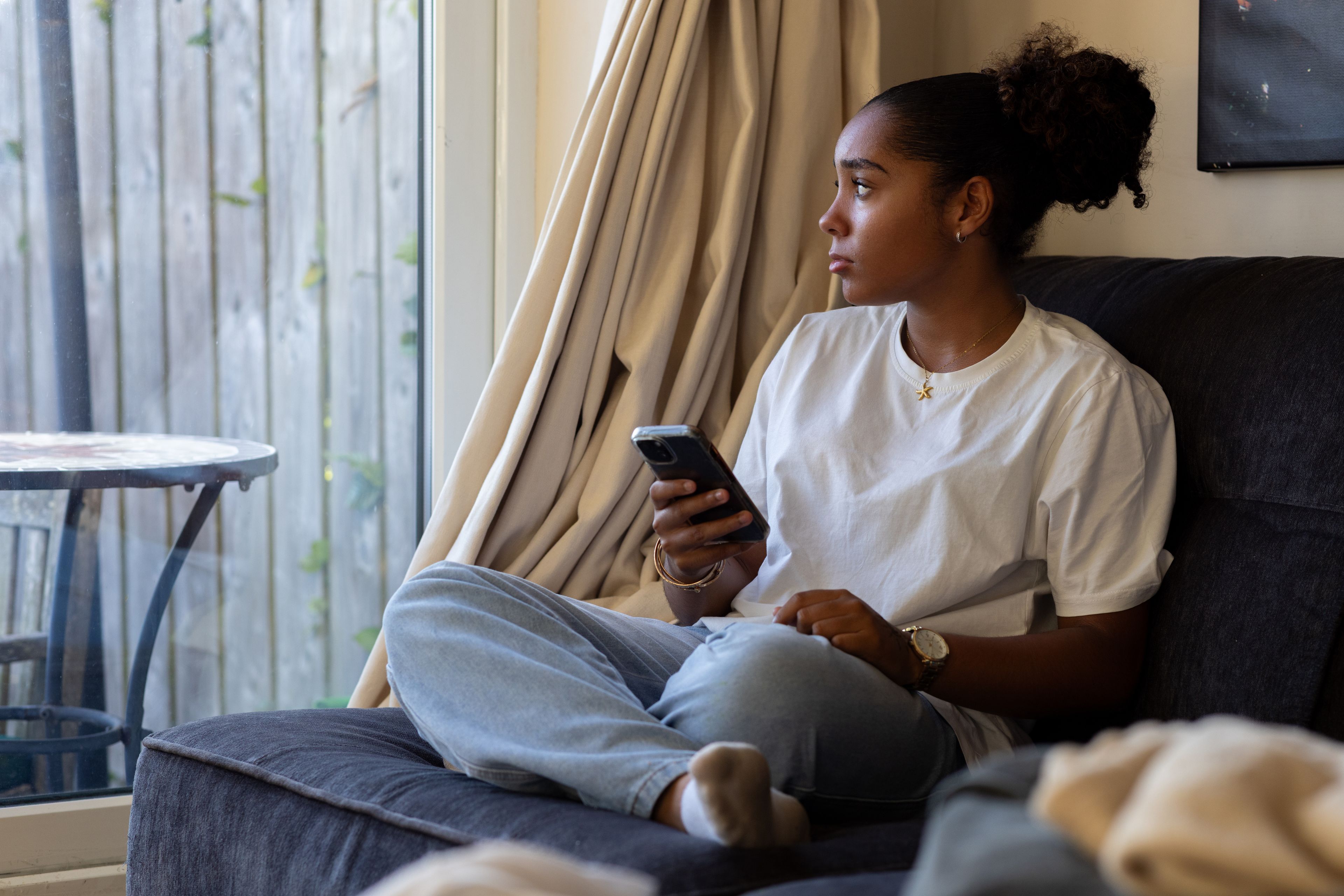
Social anxiety in childhood and adolescence can easily go unrecognised and untreated. From the outside it can look like shyness, but it is something more. A socially anxious young person isn't simply quiet in groups or slow to warm up. Many are running a continuous, exhausting internal threat assessment of how they are being perceived, judged, and evaluated by others, often in moments that many of us wouldn’t think of as ‘social’.
This guide is for parents whose child seems to be struggling more than ordinary shyness can explain. It covers what social anxiety actually is, how to tell it apart from healthy reticence, how it shows up at different ages, why social media is part of the modern picture, and how counselling helps. Where we mention something briefly that has its own deeper article on our site, you'll find a link to read more. For the wider picture of childhood anxiety, our anxiety hub is the place to start.
What is social anxiety?
Social anxiety is the persistent, intense fear of being judged, embarrassed, scrutinised, or rejected by others in social or performance situations. The young person is hyper-aware of their own behaviour, monitoring it from the inside as if watching themselves through other people's eyes, and predicting the harshest possible interpretation of what is being seen.
NICE guidance on social anxiety disorder (CG159) is the clinical reference point in the UK. NICE describes social anxiety disorder as a persistent fear of, or anxiety about, one or more social or performance situations that is out of proportion to the actual threat, where the person fears they will do or say something humiliating or embarrassing[1].
In children and young people, this can look like refusing to speak in class, going silent in unfamiliar groups, eating only in the toilet rather than the school canteen, avoiding parties and social events, intense reluctance to use the phone, difficulty answering the door, and visible distress at being called on by a teacher. Some young people freeze. Others perform an exhausting impression of confidence, then collapse at home.
Social anxiety is often described, in clinical terms, by a kind of fear of fear: the anxious child becomes frightened of the physical sensations of anxiety (blushing, shaking, sweating, voice trembling) because they fear others will see them. The visibility of the symptoms itself becomes a feared outcome. This is a particularly tight loop in adolescence, when the developmental task is to fit in with peers.
Shyness or social anxiety?
This is one of the most common questions parents ask, and one of the most important to get right. The two are not the same, but they can overlap: a child can be naturally shy and also socially anxious.
Shyness is a temperamental trait. Shy children are slower to warm up in new situations, tend to observe before participating, and may need more time to settle into new groups. Shyness is not a problem and does not require treatment. Many shy children become socially confident adults. Many keep some quiet, observant qualities for life, and this can often be an asset.
Social anxiety is more than shyness. What marks it out is not whether a child eventually joins in, but:
- Distress: Social situations cause real, significant distress, not just a quiet or reserved manner.
- Avoidance: The young person avoids the situations they fear, or gets through them only with great difficulty, and the avoidance tends to grow over time.
- Fear of being judged: Socially anxious children expect humiliation, judgement, or rejection in specific advance terms. "They'll laugh at me. I'll go red. I'll forget what to say. Everyone will think I'm stupid."
- Interference: Social anxiety stops young people doing things they would otherwise want to do: going to a party, joining a club, answering the door, going on a school trip.
- Persistence: It often doesn't ease with time and exposure the way ordinary shyness does. It can worsen through adolescence as social demands escalate.
The numbers bear this out. In a US study of more than 10,000 teenagers, only 12% of those who described themselves as shy met the criteria for social anxiety disorder[2], and a long-running Australian study found that most shy children did not go on to develop an anxiety disorder by early adolescence[3]. Shyness is a temperament. Social anxiety is a condition that can come with or without shyness, and it often responds to help.
A useful rule of thumb: if your child wants to go but can't, that may point to social anxiety. If your child doesn't particularly want to go and is content not to, that may simply be preference. Both can be respected, but the first is a sign to look more closely. None of this is a checklist, and every child is different: if you're unsure, talk to your GP.
How common is social anxiety in young people in the UK?
Social anxiety is one of the most common anxiety disorders in young people, and it becomes more common with age. A 2024 global meta-analysis of 38 studies found that social anxiety disorder affects around 4.7% of children, 8.3% of adolescents, and 17% of older youth[4]. These estimates suggest social anxiety affects a meaningful minority of young people, so if your child is struggling, they are far from alone.

The point that matters for parents: it often responds well to support, particularly when help comes early.
For broader context, counting all probable mental disorders rather than social anxiety alone: the NHS Digital survey of children's mental health in England found that 1 in 5 (20.3%) of 8 to 16-year-olds had a probable mental disorder in 2023[5]. Rates are higher among young women: in 17 to 19-year-olds, 31.6% met the threshold compared with 15.4% of young men. That survey counts mental disorders as a whole and does not break them down into social anxiety, so read it as background rather than a figure for social anxiety itself.
The Children's Commissioner's 2026 briefing on children's mental health services reported that, at the end of 2024-25, more than 365,000 children in England were still waiting for treatment to begin, with more than a third of them waiting over a year[6]. Some socially anxious young people will be among them, and social anxiety can go unrecognised for a long time.
How social anxiety shows up at different ages
Under sevens: In young children it can be hard to tell social anxiety apart from ordinary shyness or caution, but some signs may be visible: refusal to speak to anyone outside the immediate family, intense distress at being looked at or asked questions, refusal to enter new social settings, and in some cases selective mutism (see below). Many young children are simply cautious and slow to warm up, which is a normal part of growing up. If the fear is intense and getting in the way of everyday life, it's worth talking to your GP.
Primary-age children: Social anxiety often emerges more clearly at this age. Children may refuse to read aloud, avoid putting their hand up, eat alone, struggle with playtime, refuse parties, and become distressed at being called on. Performance anxiety (assemblies, plays, sports day) is often the first signal.
Early adolescents (11 to 14): Many young people first show clear signs of social anxiety around this age. The combination of secondary school (new peer group, higher social stakes), puberty (heightened self-consciousness), and the cognitive development that lets young people imagine what others might be thinking about them all combine to push social anxiety into the foreground. Young people at this age may refuse to use the school toilets, eat only in specific spaces, refuse PE changing rooms, decline to attend birthday parties, or quietly drop activities and friendships.
Older teenagers and young adults (15 and over): For some young people, social anxiety may become more pervasive over time, particularly when avoidance increasingly limits everyday activities. School avoidance, refusal of work experience, withdrawal from friendships, avoidance of dating, and difficulty managing the practicalities of adolescence (shopping, public transport, ordering food) become more visible. Our guide to EBSA explores the school avoidance dimension in detail. By this age, some young people are also experiencing secondary depression, low self-esteem, and an emerging conviction that they are simply socially incompetent. Every child is different, so these are common patterns rather than a checklist.
50%
of lifetime social anxiety disorder has begun by age 11, and 80% by age 20
Selective mutism: a related condition
Selective mutism is a closely related anxiety disorder in which a young person consistently doesn’t speak in specific social situations (typically school) despite speaking normally in others (typically at home). It’s not a refusal or a behavioural choice. It’s an anxiety-driven inability to speak in the feared setting, sometimes called a "freeze" response of the speech system.
Selective mutism most often emerges in early childhood and, if left untreated, can persist throughout school. Many children with selective mutism also have social anxiety[8]. Early support often helps. The UK charity SMIRA (Selective Mutism Information and Research Association) provides parent-focused resources and signposts to specialist help.
If your child consistently doesn’t speak at school or in specific settings, this is worth taking seriously. Selective mutism often responds well to support, particularly when help starts in primary school.
Social anxiety, school avoidance, and EBSA
Social anxiety is one of several kinds of anxiety linked with school avoidance[9]. A young person with social anxiety may experience the school day as a sustained exposure to scrutiny, judgement, and the constant low-level threat of social misstep. By the time avoidance has set in, school can feel genuinely unsafe to a young person.
Social anxiety and school avoidance can reinforce one another. Social anxiety can lead to avoiding school, and while staying away may bring short-term relief, it can also strengthen the belief that being there is unbearable. Without help, the cycle can tighten, the world can narrow, and confidence can take a real knock.
For socially anxious young people, it can help to combine adjustments at school (a safe person, a quiet space, reduced public exposure during settling-in periods) with focused work on the social anxiety itself.
School, exams, and the longer term
Parents often ask what social anxiety means for their child's future if nothing changes. The honest answer is that it can carry a real cost, and that early, well-matched support can change the trajectory.
The clearest evidence concerns education. A Swedish study following 2.2 million people found that young people diagnosed with social anxiety disorder were substantially less likely to finish school or go on to university than their peers, even when compared with their own siblings[10]. Research suggests part of the picture: socially anxious teenagers tended to concentrate less well in class, which was linked with lower grades[11].
“Treatment-seeking individuals with SAD have substantially impaired academic performance throughout the formative years. Early detection and intervention are warranted to minimise the long-term socioeconomic impact of the disorder.”
There are signals beyond school too: adolescent social anxiety has been linked to higher rates of sickness absence and unemployment in early adulthood[12]. None of this is destiny, and none of it happens overnight. It is simply the case for taking quiet struggling seriously now, rather than hoping it passes.
Common co-occurring conditions
Social anxiety often comes alongside other difficulties, such as:
- Generalised anxiety and panic disorder: Many socially anxious young people also worry intensely in non-social domains, or develop panic attacks in feared social settings. Our anxiety hub and panic attacks hub cover both.
- Depression: Persistent social anxiety is linked with a higher chance of later low mood and depression. The withdrawal, loneliness, and shame that build up over years can take their toll. In one German prospective study, young people with social anxiety were 3.5 times more likely to develop depression over the following few years[13]. Here’s our depression hub.
- Autism: Many Autistic young people experience what looks like social anxiety, although the reasons can be wider than fear of judgement alone (for example, sensory sensitivities, the strain of social situations that don't fit how they communicate, or past experiences of being misunderstood). Our Autism hub covers this in depth. A careful assessment is needed to distinguish autism with social anxiety from social anxiety alone. Across studies, around 40% of autistic children and teenagers have at least one anxiety disorder, with roughly 17% experiencing social anxiety disorder specifically[14]. Encouragingly, one study found that social anxiety was linked with similar things in autistic and non-autistic teenagers, such as finding uncertainty hard to tolerate, difficulty identifying feelings and sensory sensitivity[15]. That is about how the anxiety works rather than how it responds to treatment, so an adapted, autism-informed approach is something to work out with the counsellor rather than something the research settles.
- Selective mutism: See above.
- Body image difficulties and eating problems: For some young people, the visibility piece of social anxiety can extend to intense self-consciousness about appearance and weight. Our pages on body image and eating issues go into more detail.
- Substance use in older teenagers: Some socially anxious young people use alcohol or cannabis to cope.
A separate caution: it’s easy to label a quiet, reserved child as socially anxious when in fact they are introverted, Autistic, or both. Each warrants careful thought.
Why social anxiety develops
There is no single cause. Social anxiety usually grows out of a mix of temperament, experience, and learning. Children born with a more cautious, slow-to-warm-up temperament (what researchers call behavioural inhibition) carry a higher risk, and anxiety can run in families. None of it makes social anxiety inevitable, and there are practical things you can do to help, which we cover later in this guide.
Experience matters too, and the clearest evidence concerns bullying. Reviews consistently link peer victimisation to the onset and maintenance of social anxiety[16], and the relationship runs in both directions: being targeted can feed the anxiety, and one US study found that young people with higher social anxiety were more likely to be targeted, particularly by being left out or having friendships withdrawn[17].
“Frequently victimized adolescents were two to three times more likely to develop an anxiety disorder than nonvictimized adolescents.”
What starts social anxiety is not the same as what keeps it going. Whatever the original trigger, the disorder is often kept going by a self-feeding cycle: intense self-focus in social situations, safety behaviours, and avoidance that never lets the fearful prediction be tested. That is good news in one specific sense. Therapy doesn't have to undo the past before it can help, and much of the work can focus on the cycle that is running now, though past experiences may still be important to explore where relevant.
Social media and the rise in social anxiety
In the UK, new anxiety diagnoses recorded by GPs for children and teenagers rose sharply between 2003 and 2018, though some of that rise may reflect more young people seeking help[19]. The role of social media in that rise is hotly debated, and the evidence is genuinely mixed. Orben's 2020 narrative review concluded that, on average, the link between screen and social media use and adolescent well-being is very small, but that research has not yet looked closely enough at heavy users, at the young people who may be most at risk, or at different types of use[20].
For some young people who are already socially anxious, social media can add pressures such as:
- 24-hour social monitoring: The social judgement that used to end at the school gates can now follow a young person home, on their phone, into their bedroom and into their sleep.
- Visual comparison: Socially anxious young people often compare themselves with their peers, and curated, filtered feeds can give them endless material to compare against.
- The fear of being talked about: Group chats, screenshots, and snapchats can turn a small social misstep into something that feels enormous and permanent.
- Reduced low-stakes practice: Social confidence often grows through everyday, low-stakes contact in person, and time on screens can mean fewer of those chances.
It is not necessary to ban social media to address social anxiety, but it is worth taking a hard look at how, when, and how much your child uses it. Some socially anxious young people find clearer evening boundaries help, along with agreeing together to keep certain apps out of the bedroom.
What it's like for parents
Parenting a socially anxious child can be exhausting. You find yourself in the role of social manager, RSVPing on their behalf, scripting their orders at restaurants, dropping them off and waiting in the car, advocating for them at school, and watching them turn down opportunities you wish they would take.
You may also be carrying a quiet weight of worry about their future. Will they cope at university? Will they make friends? Will they ever order their own coffee?
Many parents oscillate between two unhelpful extremes: over-accommodating (doing the social bit for them, so the anxiety has nothing to push against) and over-pushing (forcing them into situations the nervous system experiences as threatening, hoping it will toughen them up). Neither tends to help in the long run. What often helps is a middle path that is collaborative, paced, and built around small wins.
What you can do as a parent
Several practical things can help at home.
Name it carefully: Many socially anxious young people don't have a word for what they're experiencing. They just know they feel sick before school and avoid things they used to enjoy. Giving the experience a name ("this sounds like it could be social anxiety. It's really common, and it can get better with help") can help reduce the shame.
Validate without confirming the catastrophe: When your child says "everyone hates me", the instinct is to argue. The more useful response is to acknowledge the feeling without endorsing the prediction: "You're feeling really exposed right now. Let's talk about what's actually been happening." Validate the emotion; gently challenge the catastrophic content.
Resist over-accommodation: Doing the social bit for your child (ordering their food, RSVPing for them, speaking on their behalf in shops) is often kind in the moment and unhelpful over time. Small, manageable chances to face what feels hard can help confidence grow. Gradual, agreed steps, with you alongside but not in front, are often what build confidence.
Build exposure in small steps: Therapists call this graded exposure. It works best when it's planned together with your child, paced to what they can manage, and based on an understanding of what they fear. Pick one feared situation and break it down together into small, manageable steps. Going to the corner shop alone might start with going together, then with you waiting outside, then with you waiting around the corner, then on their own. Tiny steps, with lots of acknowledgement of effort and progress. If a situation involves genuine risk, such as bullying, or there are other barriers in the way, adjust the plan rather than pushing on. It should never become a test of courage or of doing as they're told.
Reduce social media demand where helpful: Particularly evening use. A break from social monitoring before sleep can help.
Model imperfection: Social anxiety can occur in families, and parents may also recognise some of these experiences in themselves. Modelling small social risks ("I just made a typo in that email, oh well") can help more than reassurance alone.
Look after yourself: Living alongside a socially anxious young person is genuinely depleting. Your own time off, support and rest matter too.
When to seek professional help
Social anxiety is worth taking seriously well before it constrains your child's life significantly. Help is often easier to put in place before years of avoidance have set in. It can help to think about three things, which we call the "3 Ds":
- Duration: The pattern is settling in rather than passing.
- Distress: Your child is finding it very hard to cope.
- Disruption: It's getting in the way of school, friendships, family life, or activities they would otherwise want to do.
If you recognise any of these, or you're worried for any other reason, it's worth a conversation with your GP. They are prompts, not a checklist. It is common, and understandable, to watch and wait. The evidence gives reasons not to wait too long: NICE notes that only about half of those affected ever seek treatment, and those who do usually only after 15 to 20 years of symptoms. That describes adults looking back rather than a forecast for your child, but it is why waiting deserves questioning[21].
“A significant number of people who develop social anxiety disorder in adolescence may recover before reaching adulthood. However, if the disorder has persisted into adulthood, the chance of recovery in the absence of treatment is modest when compared with many other common mental health problems.”
If selective mutism is part of the picture, do not wait. Selective mutism often responds well to support, and it is easier to work with the earlier it is addressed.
How counselling helps with social anxiety
Social anxiety often responds well to therapy, particularly when help comes early. At Finding Therapy our counsellors work integratively, which means they start from the particular young person in front of them and shape the work around them, rather than applying a single fixed method. Cognitive behavioural therapy (CBT) is the most studied approach for social anxiety and is recommended by NICE (CG159) for children and young people with social anxiety disorder, so its tools often form part of the work, but they are one part of a wider, relationship-led course of therapy, not the whole of it. Counselling is what we offer, and it does not replace your GP or NHS care where a specialist assessment is needed.
Whatever the overall approach, a few practical tools come up again and again in good work on social anxiety. Many were developed within CBT and are now used widely across different therapies:
- Understanding what’s happening: Understanding the anxiety cycle, the role of self-focused attention, and the specific mechanisms keeping the anxiety going.
- Cognitive restructuring: Identifying and challenging the catastrophic predictions about social situations.
- Reducing self-focused attention: Practising attending outward to the situation rather than inward to one's own performance.
- Behavioural experiments: Testing the catastrophic predictions in real-world situations and seeing what actually happens.
- Graded exposure: Stepping back into avoided situations in small, agreed steps.
- Reducing safety behaviours: Identifying the small avoidant tactics (looking at the floor, scripting in advance, holding a drink to keep hands busy) that maintain the anxiety, and gradually dropping them.
Leigh and Clark's 2018 review sets out the evidence base specifically for adolescent social anxiety, including treatment adaptations that show promise at this developmental stage[22]. The multilevel meta-analysis of 99 studies on child and adolescent psychotherapy by Roest and colleagues found that the therapeutic relationship is consistently associated with better outcomes[23]. For a young person with social anxiety, the experience of being warmly accepted by a calm, non-judgemental adult can itself be part of the help.
It’s worth being honest about the wider evidence, because it shapes what good help looks like. CBT is the best-evidenced approach and a common starting point, but it is not a cure-all. The Cochrane review of CBT for child and adolescent anxiety found it probably works better than being on a waiting list, at least in the short term, without strong evidence that it outperforms other active treatments[24]. And social anxiety is the anxiety disorder least likely to remit after standard, one-size-fits-all CBT: roughly 35% of young people are free of the diagnosis afterwards, compared with around 54% for other anxiety disorders[25].
The relationship between the young person and their counsellor matters, whatever the type of therapy. Meta-analyses find the therapeutic alliance is consistently associated with better outcomes[26], and one review of studies with teenagers found the link somewhat stronger[27]. This is why an experienced therapist assesses each young person and selects, blends, and adapts the approach, and why the match between your child and their counsellor is so important.
A clinical perspective from one of our counsellors
Val Finn, MBACP, a Finding Therapy counsellor with experience in social anxiety in children and young people, shares how she works in her sessions:
"Many socially anxious young people who come to me have been told for years that they're shy, or that they need to come out of their shell, or that they'll grow out of it. By the time we meet, they've internalised a lot of shame about who they are. So my first job is usually to lower that. We work together to understand what is actually happening in their brain when they walk into a room (the self-focused attention, the catastrophic prediction, the safety behaviours ) and to recognise that this is a pattern, not who they are."
"From there, we move into the practical work: small, agreed steps back into the situations they've been avoiding. The Finding Therapy platform is particularly useful here because the interactive canvases help us map out the anxiety cycle and design behavioural experiments together. The young person sees themselves doing the work."
"Improvement with social anxiety can take a bit longer than other presentations. The number of sessions varies depending on the young person's needs, goals and circumstances. Some notice changes within a relatively short period, while others need longer-term support. For many, the change is real and lasting. Many young people finish therapy not just with a few more situations under their belt, but with a different relationship to social situations in general. They stop watching themselves from outside and start being in their own life."
Why online therapy can help
Online therapy can be particularly accessible for socially anxious young people. The familiar home environment can make it easier to get to a session, a real factor when the young person has been avoiding leaving the house. Sessions can feel less exposing than walking into an unfamiliar therapy room. For many young people, that can make it easier to take the first step.
For anxiety and depression in children and young people, research suggests therapy delivered through a screen can work about as well as meeting in person [28]. For young people specifically, a 2025 meta-analysis of digital interventions for social anxiety found meaningful benefits by the end of the programme, with notably larger effects when a trained person guided the programme than when young people worked through it alone[29]. The research suggests the human relationship still matters a great deal. Online counselling isn't right for every situation: where there is a significant risk to safety, a safeguarding concern, or a need for more intensive or specialist assessment, other support may be better.
Recovery is realistic
Social anxiety often responds well to support. With focused therapy, symptoms can significantly improve, and some young people no longer meet diagnostic criteria within several months of well-delivered therapy. Progress varies, and there can be setbacks along the way.
77%
of teenagers in a small UK trial no longer met the criteria for social anxiety disorder after therapist-supported online cognitive therapy, against 14% on a waiting list. Six months on, it was 91%.
Recovery does not mean a young person never feels self-conscious or never finds social situations effortful. Most people do, occasionally. For many young people, recovery may mean the anxiety no longer constrains their life: they go where they want to go, they speak up when they have something to say, they decline what they don't want, and they don't avoid out of fear.
Many young people come out the other side of social anxiety treatment with a level of social confidence and self-knowledge they would not have developed without the work. The traits that fuel social anxiety (sensitivity, observation, empathy, attunement to others ) are also genuine strengths when no longer in the service of fear.
A final word
If your child is socially anxious, it can help to remember that social anxiety often responds well to support. It’s not who they are. One helpful way to see it is as a learned pattern, and with skilled support it can change. The earlier the work starts, the easier the change often is.
At Finding Therapy, our counsellors are experienced in working with social anxiety across a wide range of ages and needs, from primary-age children with early signs through to teenagers who have stopped leaving the house. If you'd like to talk to someone experienced in this, browse our directory of children's and young people's counsellors, or book a free consultation and you’ll speak to our Head of Counselling, who can help with a recommendation.
Frequently asked questions
References
- National Institute for Health and Care Excellence (NICE) (2013). Social anxiety disorder: recognition, assessment and treatment (CG159), NICE. https://www.nice.org.uk/guidance/cg159 Accessed 9 June 2026. ↩
- Burstein et al. (2011). Shyness Versus Social Phobia in US Youth, Pediatrics. https://doi.org/10.1542/peds.2011-1434 Accessed 9 June 2026. ↩
- Prior et al. (2000). Does shy-inhibited temperament in childhood lead to anxiety problems in adolescence?, Journal of the American Academy of Child and Adolescent Psychiatry. https://doi.org/10.1097/00004583-200004000-00015 Accessed 9 June 2026. ↩
- Salari et al. (2024). Global Prevalence of Social Anxiety Disorder in Children, Adolescents and Youth: A Systematic Review and Meta-analysis, Journal of Prevention. https://doi.org/10.1007/s10935-024-00789-9 Accessed 9 June 2026. ↩
- NHS Digital (2023). Mental Health of Children and Young People in England, 2023: wave 4 follow up to the 2017 survey, NHS England Digital. https://digital.nhs.uk/data-and-information/publications/statistical/mental-health-of-children-and-young-people-in-england/2023-wave-4-follow-up Accessed 9 June 2026. ↩
- Children's Commissioner for England (2026). Children's and Young People's Mental Health Services: 2024-25, Children's Commissioner for England. https://www.childrenscommissioner.gov.uk/resource/childrens-and-young-peoples-mental-health-services-2024-25/ Accessed 29 June 2026. ↩
- Stein & Stein, The Lancet (2008). of lifetime social anxiety disorder has begun by age 11, and 80% by age 20. https://doi.org/10.1016/S0140-6736(08)60488-2 ↩
- Driessen et al. (2020). Anxiety in Children with Selective Mutism: A Meta-analysis, Child Psychiatry & Human Development. https://doi.org/10.1007/s10578-019-00933-1 Accessed 13 October 2026. ↩
- Finning et al. (2019). The association between anxiety and poor attendance at school: a systematic review., Child and Adolescent Mental Health. https://doi.org/10.1111/camh.12322 Accessed 11 August 2026. ↩
- Vilaplana-Pérez et al. (2020). Much more than just shyness: the impact of social anxiety disorder on educational performance across the lifespan, Psychological Medicine. https://doi.org/10.1017/S0033291719003908 Accessed 9 June 2026. ↩
- Leigh et al. (2021). Is concentration an indirect link between social anxiety and educational achievement in adolescents?, PLOS ONE. https://doi.org/10.1371/journal.pone.0249952 Accessed 9 June 2026. ↩
- Amin et al. (2019). Associations between adolescent social phobia, sickness absence and unemployment: a prospective study of twins in Sweden, European Journal of Public Health. https://doi.org/10.1093/eurpub/ckz033 Accessed 9 June 2026. ↩
- Stein et al. (2001). Social anxiety disorder and the risk of depression: a prospective community study of adolescents and young adults, Archives of General Psychiatry. https://doi.org/10.1001/archpsyc.58.3.251 Accessed 9 June 2026. ↩
- van Steensel et al. (2011). Anxiety Disorders in Children and Adolescents with Autistic Spectrum Disorders: A Meta-Analysis, Clinical Child and Family Psychology Review. https://doi.org/10.1007/s10567-011-0097-0 Accessed 9 June 2026. ↩
- Pickard et al. (2020). Exploring the cognitive, emotional and sensory correlates of social anxiety in autistic and neurotypical adolescents, Journal of Child Psychology and Psychiatry. https://doi.org/10.1111/jcpp.13214 Accessed 9 June 2026. ↩
- Pontillo et al. (2019). Peer Victimization and Onset of Social Anxiety Disorder in Children and Adolescents, Brain Sciences. https://doi.org/10.3390/brainsci9060132 Accessed 9 June 2026. ↩
- Siegel et al. (2009). Peer Victimization and Social Anxiety in Adolescents: Prospective and Reciprocal Relationships, Journal of Youth and Adolescence. https://doi.org/10.1007/s10964-009-9392-1 Accessed 9 June 2026. ↩
- Stapinski et al. (2014). Peer Victimization During Adolescence and Risk for Anxiety Disorders in Adulthood: A Prospective Cohort Study, Depression and Anxiety. https://doi.org/10.1002/da.22270 ↩
- Cybulski et al. (2021). Temporal trends in annual incidence rates for psychiatric disorders and self-harm among children and adolescents in the UK 2003 to 2018., BMC Psychiatry. https://doi.org/10.1186/s12888-021-03235-w Accessed 5 June 2026. ↩
- Orben, A. (2020). Teenagers, screens and social media: a narrative review of reviews and key studies, Social Psychiatry and Psychiatric Epidemiology. https://doi.org/10.1007/s00127-019-01825-4 Accessed 9 June 2026. ↩
- Pilling et al. (2013). Recognition, assessment and treatment of social anxiety disorder: summary of NICE guidance, BMJ. https://doi.org/10.1136/bmj.f2541 Accessed 9 June 2026. ↩
- Leigh & Clark (2018). Understanding Social Anxiety Disorder in Adolescents and Improving Treatment Outcomes: Applying the Cognitive Model of Clark and Wells (1995), Clinical Child and Family Psychology Review. https://doi.org/10.1007/s10567-018-0258-5 Accessed 9 June 2026. ↩
- Roest et al. (2022). A Three-level Meta-analysis on the Alliance-Outcome Association in Child and Adolescent Psychotherapy, Research on Child and Adolescent Psychopathology. https://doi.org/10.1007/s10802-022-00986-2 Accessed 9 June 2026. ↩
- James et al. (2020). Cognitive behavioural therapy for anxiety disorders in children and adolescents (Cochrane Review), Cochrane Database of Systematic Reviews. https://doi.org/10.1002/14651858.CD013162.pub2 Accessed 9 June 2026. ↩
- Agersnap et al. (2026). Predictors of Change in Treatment Response to Group-Based Cognitive Behavioral Therapy for Adolescents with Social Anxiety Disorder, Child Psychiatry and Human Development. https://doi.org/10.1007/s10578-026-01980-1 Accessed 9 June 2026. ↩
- Karver et al. (2018). Meta-Analysis of the Prospective Relation Between Alliance and Outcome in Child and Adolescent Psychotherapy, Psychotherapy. https://doi.org/10.1037/pst0000176 Accessed 9 June 2026. ↩
- Murphy & Hutton (2017). Practitioner Review: Therapist variability, patient-reported therapeutic alliance, and clinical outcomes in adolescents undergoing mental health treatment: a systematic review and meta-analysis, Journal of Child Psychology and Psychiatry. https://doi.org/10.1111/jcpp.12767 Accessed 9 June 2026. ↩
- Bevilacqua et al. (2024). Effectiveness of technology-assisted vs face-to-face cognitive behavioural therapy for anxiety and depression in children and young people., Clinical Child Psychology and Psychiatry. https://doi.org/10.1177/13591045241259070 Accessed 19 August 2026. ↩
- Walder et al. (2025). Digital Mental Health Interventions for the Prevention and Treatment of Social Anxiety Disorder in Children, Adolescents, and Young Adults: Systematic Review and Meta-Analysis, Journal of Medical Internet Research. https://doi.org/10.2196/67067 Accessed 9 June 2026. ↩
- Leigh et al., Journal of Child Psychology and Psychiatry (2022). of teenagers in a small UK trial no longer met the criteria for social anxiety disorder after therapist-supported online cognitive therapy, against 14% on a waiting list. Six months on, it was 91%.. https://doi.org/10.1111/jcpp.13680 ↩


