
Social anxiety is more than shyness. For a teenager it can quietly shrink daily life down to whatever feels safe. The reassuring news for a worried parent is that it responds well to the right support. This guide explains whether counselling helps, what it can look like for a young person, and how to find a counsellor who adapts their approach to your child.
Article summary
Key takeaways
- Around 1 in 5 children and young people in England were likely to have a mental health condition in 2023, and social anxiety often begins around age 13.
- Counselling helps. The strongest evidence is for structured, CBT-based work, delivered flexibly and adapted to your child.
- Social anxiety is one of the more persistent anxiety disorders. Some teenagers do grow out of it, but persistent symptoms deserve support rather than waiting.
- The right fit between your teenager and their counsellor, and a counsellor who adapts the approach to your child, matters as much as the method.
- UK routes include NHS Talking Therapies, CAMHS, and private counselling.
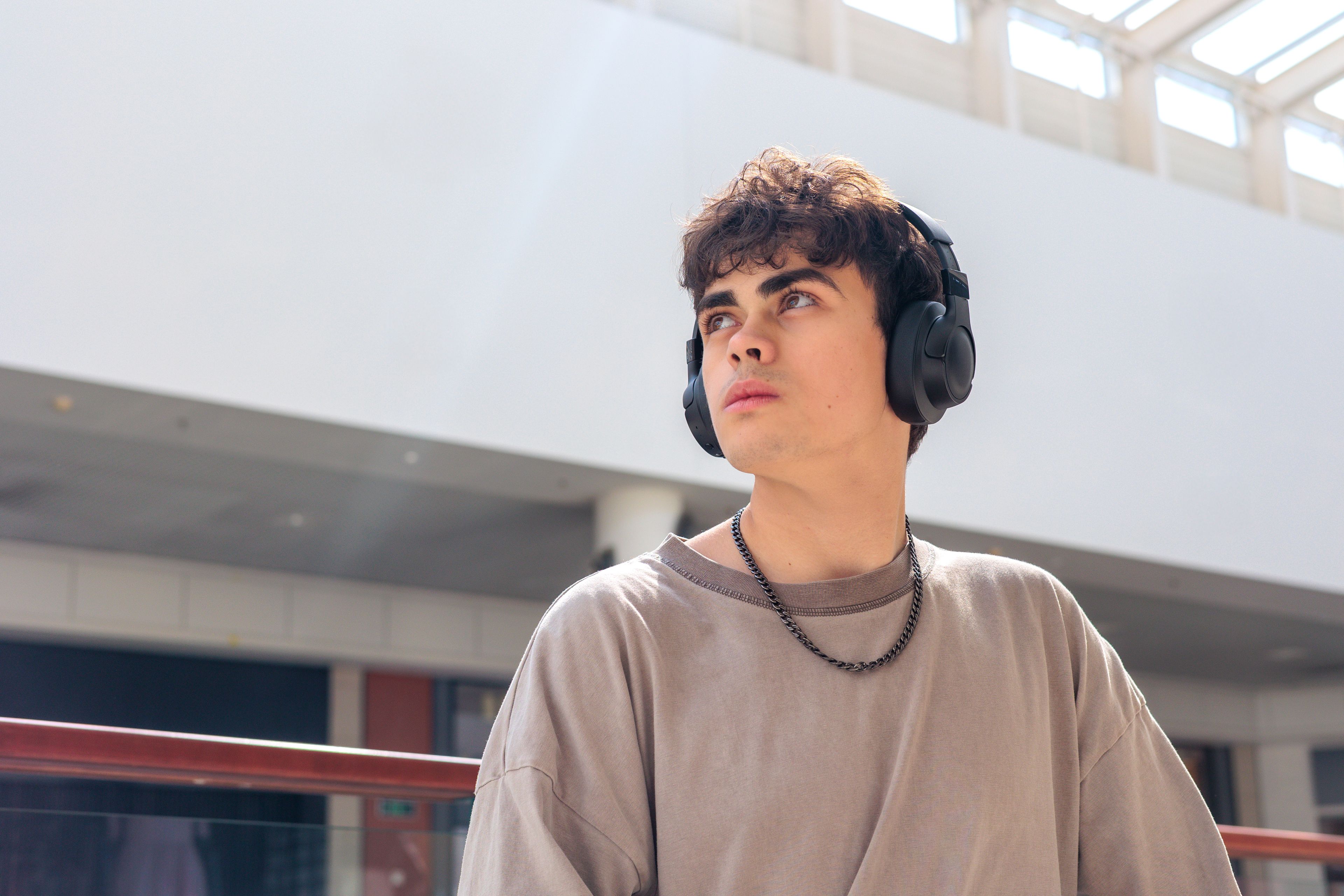
If your teenager dreads being looked at, freezes when asked a question in class, or comes home drained from holding it together all day, they’re not alone. Social anxiety is common, it tends to take hold in the teenage years, and it’s very treatable. The question most parents ask us first is a fair one. Does counselling actually help, and how do you find the right person?
Is it shyness, or social anxiety?
Mental health conditions are common: in 2023, around 1 in 5 children and young people in England were likely to have one [1]. Social anxiety is one of them, and it’s more than being quiet or reserved.
Shyness tends to ease once a young person warms up. Social anxiety is a persistent, intense fear of being judged or embarrassed, strong enough to change what your teenager will and will not do. Some withdraw and avoid. Others mask all day at school, then collapse at home.
Social anxiety tends to start young, often around the age of 13 [2]. For the fuller picture of how it shows up and why, see our guide to social anxiety.
9.1%
of teenagers aged 13 to 18 had experienced social anxiety disorder, in a major US national survey
Does counselling actually help teenage social anxiety?
Yes. Social anxiety is one of the most treatable mental health difficulties, and talking therapy is the recommended first step. The National Institute for Health and Care Excellence points to cognitive behavioural therapy (CBT) as one well-evidenced option [4]. It’s also the approach with the strongest tested evidence for social anxiety specifically. A skilled counsellor still shapes that work around the young person, which is how our counsellors deliver it at Finding Therapy.
This matters because social anxiety can last. NICE describes it as one of the most persistent anxiety disorders, with only modest recovery without treatment once it carries on into adulthood [5]. Many teenagers do grow out of it, but waiting and hoping is not the best plan when the anxiety is already shrinking their life.
The evidence for therapy with this age group is encouraging. A 2016 review of CBT for social anxiety in children and teenagers found large improvements [6]. Good counselling gives a young person tools, and a relationship in which to practise them.
What does counselling for social anxiety look like for a teenager?
Counselling for social anxiety is often practical and skills-based. The techniques with the strongest evidence come from CBT; at Finding Therapy they’re held within a trusting relationship, shaped around the young person, and blended with other approaches where they help. For under-18s, NICE recommends a course of CBT, usually 8 to 12 sessions, which can be one-to-one [4].
In practice, that can include helping the young person understand what anxiety is and does, gently facing feared situations in small steps (sometimes called a fear ladder), testing the scary predictions, and slowly dropping the safety habits that keep the fear alive. Simple grounding techniques, like 5-4-3-2-1 or the 333 rule, can also help in a moment of high anxiety.
A good counsellor delivers structured work flexibly rather than mechanically, adapting it to the young person’s age and stage, which is what NICE asks for. For a teenager, the techniques land best inside a relationship they trust, not handed over as a worksheet. The skill is knowing when and how to use, soften, or set aside a technique for this particular young person. That’s why finding the right counsellor matters so much.
What about online sessions?
Many parents wonder whether a socially anxious teenager will talk to a counsellor over video. For many young people it’s genuinely easier. In one small UK study, teenagers who had online therapy for social anxiety said the online format helped [7]. Being at home, with no waiting room or unfamiliar building, can take some of the fear out of starting.
The results hold up too. A review by UK researchers, pooling trials from several countries, compared CBT delivered online or by phone with face-to-face CBT and found children and young people with anxiety improved about as much either way [8]. Sessions at Finding Therapy happen over live video, with the same counsellor each week. Our guide to why online therapy works for young people has the fuller picture.
Can they work on it themselves, or do they need a counsellor?
Self-help has a real place, and it’s a sensible first step for milder worries. Good books, NHS self-help guides, and reputable apps can teach the basics of facing fears and managing anxious thoughts. For some young people, that’s enough to get unstuck.
But persistent social anxiety usually needs guided support. If your teenager is avoiding school, friendships, or activities they used to enjoy, or the worry has lasted months, self-help alone tends to stall. A counsellor keeps the steps going when they get hard, adapts the plan, and notices anything more serious underneath.
What if your teenager says no to counselling?
A first ‘no’ is common, and it’s rarely the end of the conversation. Worries that often hold young people back from seeking help include what others will think, whether someone new can be trusted, and whether talking will help at all [9]. Those are the worries social anxiety itself produces, so a reluctant start is normal here.
“When parents get in touch, they’re often worried that they’ve left it too late, or that their teenager will refuse to talk to anyone. Both worries are common, and neither closes the door. Our counsellors take things at the young person's pace and they're experts at connecting with them in a way that makes them feel at ease and understood.”
 Helen SpiersHead of Counselling, Finding Therapy, MBACP (Accred)View profile
What often shifts a ‘no’ is genuine choice. In young people’s own accounts of therapy, having a real say came through as central to whether they engaged at all [10]. When young people are brought to therapy on someone else’s decision, the picture is mixed: some come round, others never see the point [11].
So hand over the choices that are real: which counsellor they see, what day and time, and what they want help with first. Keep the first step small. A single conversation, with no commitment attached, is easier to say yes to than an open-ended course of sessions.
How will you know counselling is working?
A transformation after two sessions is probably unlikely. Early progress is usually quiet: your teenager keeps going without a battle, mentions something the counsellor said, or seems a little more at ease on session days. The relationship comes first, because it’s what the rest is built on.
Research backs this up. A large review of studies on therapy with teenagers found that a stronger relationship with the therapist went hand in hand with better outcomes [12]. It’s one of the most consistent findings about therapy with young people.
After the early sessions, look for small moves toward the things your teenager had been avoiding: answering in class, ordering in a café, seeing a friend. Wobbles are part of it, but if progress truly stalls, look at the fit or the approach before assuming it is about your teenager. Research on young people who stop therapy early found it was more strongly linked to the therapy, the therapist and obstacles along the way than to things about the young person [13]. A good service treats changing counsellor as a normal part of getting it right.
Your part matters too. While sessions bed in, it helps to go gently on the situations your teenager finds hard, and let the counsellor set the pace of any new challenges. Small steps that stick are worth more than big pushes that do not last.
How to find the right counsellor for your teenager
One of the most useful things you can do is find someone who understands teenagers and adapts their approach to your child, rather than applying one method to everyone. Fit matters as much as the model of therapy. A young person who feels understood will do the harder work of facing their fears.
Access in the UK is genuinely hard, so it helps to know the routes. You can ask your GP, use NHS Talking Therapies, or be referred to CAMHS. But waits can be long. Of the children in England still waiting for treatment at the end of 2024-25, more than a third had waited over a year [14]. Demand has surged too, with referrals for under-18s where anxiety was the main reason more than doubling in four years [15].
Private counselling is the other route, a paid service with no referral needed, and often a much shorter wait. At Finding Therapy, you can read the profiles in our counselling directory with your teenager and choose someone together. We’ve vetted every one of them, we’ve known them for years, and each has experience in supporting children and young people. If you’d like help choosing, you can book a free consultation with Helen Spiers, our Head of Counselling.
Our guide to choosing the right therapist for your child has more on weighing it up. If long waits or a CAMHS decision are part of your story, our guide to navigating CAMHS may help.
We’re a private, paid service with no GP referral needed, we’re upfront about cost, and we work with children and young people aged 6 to 25. When you’re ready, you can browse our counsellors and take it from there.
Frequently asked questions
References
- NHS England (2023). One in five children and young people had a probable mental disorder in 2023, NHS England. https://www.england.nhs.uk/2023/11/one-in-five-children-and-young-people-had-a-probable-mental-disorder-in-2023/ Accessed 1 June 2026. ↩
- Solmi et al. (2022). Age at onset of mental disorders worldwide, Solmi et al.. https://pmc.ncbi.nlm.nih.gov/articles/PMC8960395/ Accessed 1 June 2026. ↩
- NIMH, National Comorbidity Survey Adolescent Supplement (2010). of teenagers aged 13 to 18 had experienced social anxiety disorder, in a major US national survey. https://www.nimh.nih.gov/health/statistics/social-anxiety-disorder ↩
- NICE (2013). Social anxiety disorder (CG159), Treatment for children and young people., NICE. https://www.nice.org.uk/guidance/cg159/ifp/chapter/Treatment-for-children-and-young-people Accessed 1 June 2026. ↩
- NICE (2013). Social anxiety disorder (CG159), Context, NICE. https://www.nice.org.uk/guidance/cg159/chapter/Context Accessed 1 June 2026. ↩
- Scaini et al. (2016). A comprehensive meta-analysis of cognitive-behavioral interventions for social anxiety disorder in children and adolescents, Journal of Anxiety Disorders. https://pubmed.ncbi.nlm.nih.gov/27399932/ Accessed 1 June 2026. ↩
- Leigh et al. (2023). Adolescents’ experience of receiving internet-delivered cognitive therapy for social anxiety disorder, Internet Interventions. https://doi.org/10.1016/j.invent.2023.100664 Accessed 2 September 2026. ↩
- Bevilacqua et al. (2024). Effectiveness of technology-assisted vs face-to-face cognitive behavioural therapy for anxiety and depression in children and young people: A systematic review and meta-analysis, Clinical Child Psychology and Psychiatry. https://doi.org/10.1177/13591045241259070 Accessed 2 September 2026. ↩
- Radez et al. (2020). Why do children and adolescents (not) seek and access professional help for their mental health problems? A systematic review of quantitative and qualitative studies, European Child and Adolescent Psychiatry. https://doi.org/10.1007/s00787-019-01469-4 Accessed 2 September 2026. ↩
- Roberts et al. (2022). Adolescents’ perceptions of barriers and facilitators to engaging in mental health treatment: A qualitative meta-synthesis, Journal of Child and Adolescent Psychiatric Nursing. https://doi.org/10.1111/jcap.12354 Accessed 2 September 2026. ↩
- Stige et al. (2021). Barriers and Facilitators in Adolescent Psychotherapy Initiated by Adults: Experiences That Differentiate Adolescents’ Trajectories Through Mental Health Care, Frontiers in Psychology. https://doi.org/10.3389/fpsyg.2021.633663 Accessed 2 September 2026. ↩
- Murphy et al. (2017). Practitioner Review: Therapist variability, patient-reported therapeutic alliance, and clinical outcomes in adolescents undergoing mental health treatment: a systematic review and meta-analysis, Journal of Child Psychology and Psychiatry. https://doi.org/10.1111/jcpp.12767 Accessed 2 September 2026. ↩
- de Haan et al. (2013). A meta-analytic review on treatment dropout in child and adolescent outpatient mental health care, Clinical Psychology Review. https://doi.org/10.1016/j.cpr.2013.04.005 Accessed 2 September 2026. ↩
- Children's Commissioner (2026). Children's and Young People's Mental Health Services: 2024-25, Children's Commissioner for England. https://www.childrenscommissioner.gov.uk/resource/childrens-and-young-peoples-mental-health-services-2024-25/ Accessed 29 June 2026. ↩
- Children's Commissioner (2024). figures on children referred for anxiety, Children's Commissioner for England. https://www.childrenscommissioner.gov.uk/blog/childrens-commissioner-responds-to-new-figures-on-children-referred-to-mental-health-support-for-anxiety/ Accessed 1 June 2026. ↩