
Many teenagers feel more tired and flat in autumn and winter. For most this is the winter blues: it's mild, and it lifts as the days lengthen. A smaller number have seasonal affective disorder (SAD), where low mood returns each winter and gets in the way of school, friendships and home life. Daylight, movement, steady sleep and talking can all help, and the GP is the place to start if it is affecting daily life.
Article summary
Key takeaways
- Feeling more tired and low in winter, often called the winter blues, is common in teenagers. For most it is mild, and it lifts as the days get longer.
- Seasonal affective disorder (SAD) is less common: low mood that comes back each winter and gets in the way of daily life.
- In England, new GP records of low mood in teenagers rise through the autumn term and peak in November, in step with the school year.
- Daylight, regular movement, steady sleep times and staying connected can all help. Light boxes have stronger evidence in adults than in teenagers.
- If low mood is affecting school, friendships or home life, or is not lifting, talk to your GP. Counselling can help.
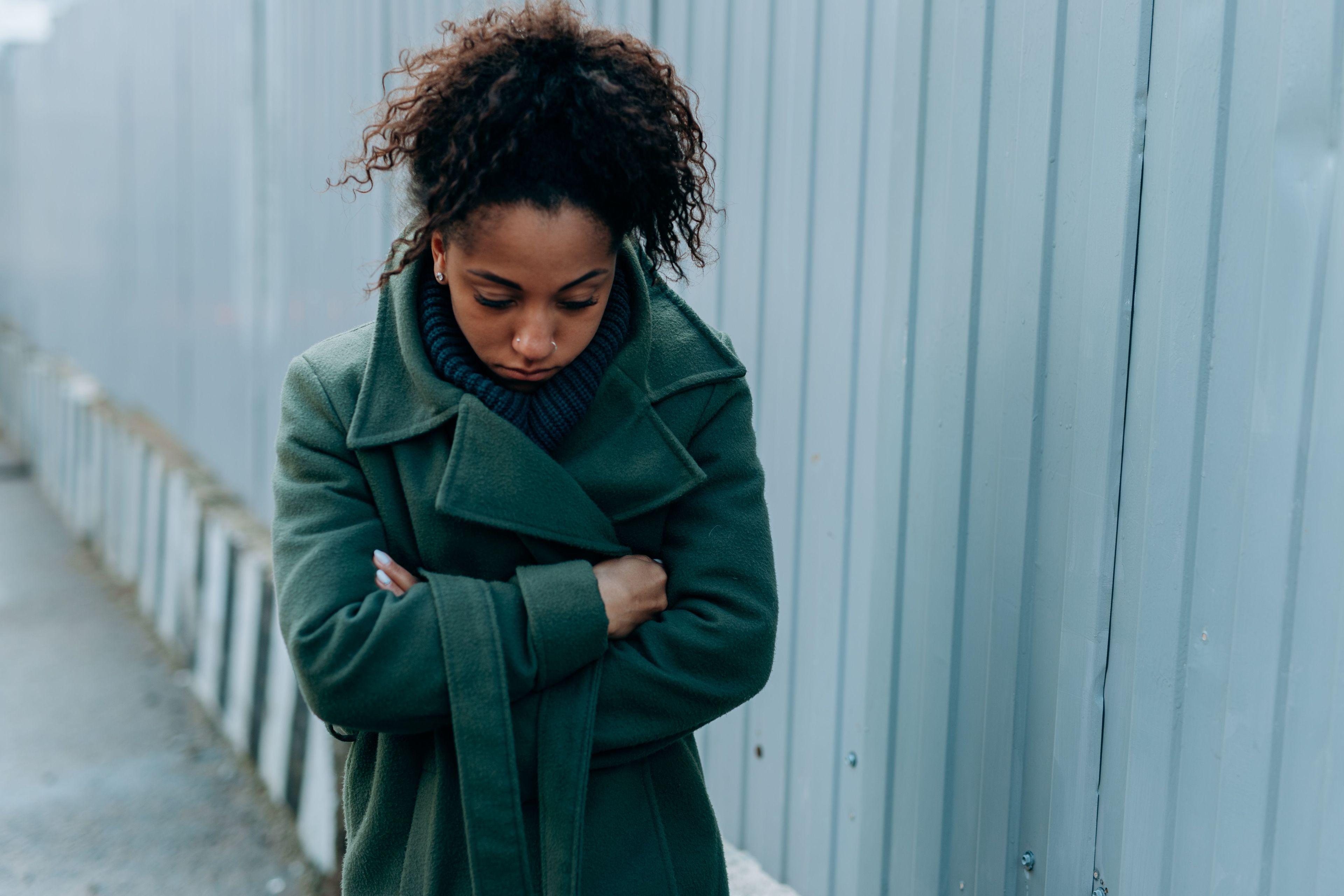
It's dark when the alarm goes off, and dark again by the time school finishes. Your teenager hits the snooze button three times, gets up at the last possible minute and comes home exhausted. By November, plenty of families know the pattern: tired all the time, sleeping all the time, and little energy left for anything else.
Some of this is a normal response to the darker months. Some of it can be more than that. This guide explains the difference, why winter and the autumn term can be hard on teenagers, what helps, and when to talk to your GP.
Is it the winter blues or SAD?
The winter blues are a common, milder dip in mood and energy that eases in spring. Seasonal affective disorder (SAD), sometimes called seasonal depression, is more than that. The NHS describes it as a type of depression that usually happens in the winter [1]. It tends to come back each winter, and it gets in the way of school, friendships and home life.
Not everyone's mood dips in winter. A review of research on seasonal mood, not specific to teenagers, found that only about a third of the studies showed more depression in winter [2]. Memory can also exaggerate the winter dip. In a small UK study from 1996, women were asked about their mood every month for a year. Looking back at the end, they remembered a much bigger winter dip than their monthly answers had shown [3].
So milder winter low mood is common, and it often passes. It still needs attention when it lingers. A 2022 review found that milder low mood, at any time of year, is about twice as common in teenagers as depression. It can affect daily life in similar ways, and it sometimes develops into depression [4]. Our guide to depression explains how to tell everyday teenage moods from something more.
A winter dip that lifts with the lighter days is common. Low mood that gets in the way of school, friends or home life needs attention in any season.
How common is it in teenagers?
The research points to four things:
- A small winter dip is common. A large UK study of young people aged 16 to 24 found that their symptoms rose a little in winter. Low energy rose most, with a smaller rise in low mood [5].
- Young people may be more sensitive to the seasons than adults. A large Canadian study found a bigger winter rise in symptoms among 12 to 24-year-olds than among people aged 25 and over, mostly in milder low mood [6].
- SAD itself is less common. In a US study from 1995, about 3 in 100 children and teenagers at two schools gave questionnaire answers that suggested SAD, more often older teenagers and girls after puberty [7].
- Far more say yes when asked directly whether their mood drops in winter. In a Swedish study from 2006, about 1 in 5 older teenagers in one town said it did, and girls were more likely to say so than boys [8]. Swedish winters are darker than ours, though, and SAD is more common further north [9].
We have not found a reliable UK figure for how many teenagers have SAD.
Why can winter be harder for teenagers?
Less daylight and a later body clock
Teenagers' body clocks naturally run later than adults' [10]. Winter can push them later still. A US study found that university students fell asleep more than half an hour later on winter school days than in summer [11]. Daylight had the opposite link: the more light they got during the day, the earlier their body clocks tended to run.
That matters for mood. In a UK study of 14-year-olds, a later body clock went with more symptoms of depression, especially in girls [12]. Our guide to teenage sleep explains the teenage body clock in more detail.
The autumn term
In England, the pattern follows the school year as much as the daylight. A study of the GP records of millions of young people looked at the month when 14 to 18-year-olds first had low mood or depression recorded [13].

In other words, new GP records of depression in teenagers were lowest in August and highest in November, when there were roughly twice as many. Numbers fell back in December, and a similar, smaller autumn rise showed up for anxiety. Young adults aged 19 to 28 did not show the November peak [13].
The researchers suggest part of the rise may be because teachers notice problems and suggest a GP visit once term starts [13]. The records show when young people ask for help, which is not quite the same as how they feel.
Shorter days are only part of the story. The autumn term brings a busy timetable, mock exams for some, and fewer chances to be outside in daylight. A UK-led review of the research found that academic pressure and the timing of the school year were consistently linked to poorer mental health in teenagers [14]. Unlike the weather, the term is something families can plan around.
What might you notice?
Tiredness is often one of the first things parents notice. A teenager may sleep more, find mornings much harder, or come home with no energy for anything. Some become more irritable or withdrawn, lose interest in things they usually enjoy, or find their schoolwork slipping. Some of these changes are common, and parents often pick up on them. In a US survey from 1993, nearly half of parents of children around 10 or 11 reported at least one change that came back every winter [15].
School is often where it shows. In a large British survey from 2004, children with depression missed school at more than three times the rate of other children [16]. The link was stronger at secondary school. That finding is about depression in general rather than winter, but it shows why falling attendance needs a second look.
“Health and educational professionals should be aware that children with poor attendance may be experiencing emotional ill health, regardless of absence type.”
If getting out of the door in the morning is becoming a struggle, our guide to emotionally based school avoidance can help.
How to help a teenager through the winter blues
Many of the steps that help are ordinary ones: daylight, movement, steady sleep, connection and talking. None needs special equipment, and each has some research behind it.
Get out in the daylight
Daylight helps set the body clock. In a US study, university students who got more light during the day tended to sleep earlier [11]. A very large UK study of middle-aged and older adults found that the more time people spent outdoors in daylight, the less low mood they tended to have [17]. A walk to school, lunch outside and opening the curtains as soon as it's light all count.
Keep them moving, even lightly
Activity does not have to mean sport. A large UK study measured young people's activity with monitors between the ages of 12 and 16. Those who did more light activity, such as walking or chores, tended to have lower depression scores at 18 [18].
“Sedentary behaviour displaces light activity throughout adolescence, and is associated with a greater risk of depressive symptoms at 18 years of age.”
Structured exercise can help too. A review of studies in children and teenagers found that physical activity programmes modestly reduced symptoms of depression, with bigger benefits for those over 13 [19].
Keep sleep and wake times steady
Keeping sleep and wake times fairly steady may help stop the body clock drifting later through the winter, and the NHS suggests going to bed and waking up at the same time every day. The UK study of 14-year-olds found that a later body clock went with more low mood, especially in girls [12]. Our guide to teenage sleep has practical ideas for this.
Stay connected
Closeness matters. A large review of studies of children and teenagers found that closer relationships with parents went with fewer symptoms of depression [20]. Low mood can also make a young person feel less supported within a few weeks [21]. So keep the invitations coming, even when some are turned down: a film, a drive, food together.
Talking therapy
Talking therapy can also help, and its benefits may last longer than those of light therapy. A US study of adults with winter depression compared light therapy with a talking therapy focused on the thoughts and habits that winter brings. The two worked equally well through the following winter. By the second winter, low mood was less likely to come back after talking therapy than after light therapy [22]. As yet, trials like this have only been done with adults.
What about light boxes?
Light boxes, sometimes sold as SAD lamps, give out bright light that is used for a set time each day. In adults with SAD, trials show they help, though the quality of the evidence is modest [23].
For teenagers, the evidence is thinner. A small trial from 1997, in children and teenagers with SAD, found that parents reported an improvement [24]. The largest trial in teenagers so far was with young people in hospital for depression, rather than winter depression. Bright light did no better than a dim placebo light, although both groups improved with their usual care [25].
Large, well-run trials of light therapy in teenagers are scarce, according to a review of the research [26]. If you are thinking about buying a light box, talk to your GP first.
Young adults: why January can be harder
For young adults, the pattern comes later in the winter. In the same GP data, new records of depression among 19 to 23-year-olds were highest in January, without the November peak seen in teenagers [13]. That fits the familiar idea of the January blues, though records show when people ask for help rather than how they feel. The UK study of 16 to 24-year-olds points to low energy above all [5].
January can mean going back to university or work after Christmas, with dark mornings, exams and often time away from home. Regular, low-pressure contact makes it easier for them to tell you when things are hard. It also helps if they know that support exists away from campus as well as on it. Our guide to university mental health covers this stage, including how to tell settling-in struggles from something more.
When should you get help?
The winter blues usually ease as spring comes. Talk to your GP if low mood is affecting school, friendships or home life. The same goes if it is not lifting as the days get longer, or if it comes back every winter. The NHS advises seeing a GP if SAD seems possible [1]. Our guide to speaking to the GP covers how to prepare for the appointment.
At the appointment, the GP can talk through the options. The NHS lists antidepressants, talking therapies and light therapy among the treatments for SAD [1]. Finding Therapy does not diagnose or prescribe.
If you believe your child is in immediate danger, call 999 or go to A&E. If you're worried about their safety, contact your GP and ask for an urgent appointment, or call NHS 111 and choose the mental health option. You don't have to be sure how serious it is before asking for help. If you're unsure, call NHS 111.
Your child can also talk to Childline on 0800 1111, call Samaritans on 116 123, or text SHOUT to 85258.
Acting early matters, because low mood that lasts tends to add up. In a UK study following young people from 11 to 24, the more low mood built up, the higher the chance of being out of work or education [27]. These are patterns across groups, not predictions for your child, and the right support can help. Our guide to depression explains how it can affect school, friendships and the future.
Counselling gives a young person a one-to-one space to talk about how the darker months affect them. A counsellor can help them notice the pattern, plan for it, and talk through whatever is making this time of year harder. The approach is chosen and blended for each young person rather than following one fixed method. With us, it is an ongoing course with the same counsellor, not a single session.
“Every autumn I notice a change in some of the young people I work with. They have less energy and go to bed later, and small setbacks start to feel bigger. When we name that pattern together, we can plan for the darker months, week by week, in our sessions.”
 DebbieMBACP, Finding TherapyView profile
If you think talking to someone would help your teenager, you can browse our counsellors and choose someone yourself. Every counsellor is qualified and registered with a UK professional body. We've vetted every one of them, and we've known them for years.
If you're not sure who would suit your teenager, you can book a free consultation with Helen Spiers, our Head of Counselling, who can help with a recommendation. We're a private, paid service with no GP referral needed, and we work with children and young people aged 6 to 25. A first session can be available in as little as 48 hours.
Frequently asked questions
References
- NHS (2025). Seasonal affective disorder (SAD)., NHS. https://www.nhs.uk/mental-health/conditions/seasonal-affective-disorder-sad/overview/ Accessed 6 October 2026. ↩
- Øverland et al. (2019). Seasonality and symptoms of depression: A systematic review of the literature., Epidemiology and Psychiatric Sciences. https://doi.org/10.1017/s2045796019000209 Accessed 6 October 2026. ↩
- Nayyar and Cochrane (1996). Seasonal changes in affective state measured prospectively and retrospectively., British Journal of Psychiatry. https://doi.org/10.1192/bjp.168.5.627 Accessed 6 October 2026. ↩
- Noyes et al. (2022). Is subthreshold depression in adolescence clinically relevant?, Journal of Affective Disorders. https://doi.org/10.1016/j.jad.2022.04.067 Accessed 6 October 2026. ↩
- Guan et al. (2026). Seasonal differences in depressive affect, worry-related sleep disturbance, and low energy among UK young people., PLOS One. https://doi.org/10.1371/journal.pone.0356293 Accessed 6 October 2026. ↩
- Lukmanji et al. (2019). Seasonal variation in symptoms of depression: A Canadian population based study., Journal of Affective Disorders. https://doi.org/10.1016/j.jad.2019.05.040 Accessed 6 October 2026. ↩
- Swedo et al. (1995). Rates of seasonal affective disorder in children and adolescents., American Journal of Psychiatry. https://doi.org/10.1176/ajp.152.7.1016 Accessed 6 October 2026. ↩
- Rastad et al. (2006). High prevalence of self-reported depressive mood during the winter season among Swedish senior high school students., Journal of the American Academy of Child and Adolescent Psychiatry. https://doi.org/10.1097/01.chi.0000190466.93447.0e Accessed 6 October 2026. ↩
- Magnússon (2000). An overview of epidemiological studies on seasonal affective disorder., Acta Psychiatrica Scandinavica. https://doi.org/10.1034/j.1600-0447.2000.101003176.x Accessed 6 October 2026. ↩
- Gradisar et al. (2022). Sleep's role in the development and resolution of adolescent depression., Nature Reviews Psychology. https://doi.org/10.1038/s44159-022-00074-8 Accessed 6 October 2026. ↩
- Dunster et al. (2022). Daytime light exposure is a strong predictor of seasonal variation in sleep and circadian timing of university students., Journal of Pineal Research. https://doi.org/10.1111/jpi.12843 Accessed 6 October 2026. ↩
- Tsomokos et al. (2024). Chronotype and depression in adolescence: Results from a UK birth cohort study., JCPP Advances. https://doi.org/10.1002/jcv2.12245 Accessed 6 October 2026. ↩
- Jack et al. (2023). Seasonal trends in antidepressant prescribing, depression, anxiety and self-harm in adolescents and young adults: an open cohort study using English primary care data., BMJ Mental Health. https://doi.org/10.1136/bmjment-2023-300855 Accessed 6 October 2026. ↩
- Steare et al. (2023). The association between academic pressure and adolescent mental health problems: A systematic review., Journal of Affective Disorders. https://doi.org/10.1016/j.jad.2023.07.028 Accessed 6 October 2026. ↩
- Carskadon et al. (1993). Parental reports of seasonal mood and behavior changes in children., Journal of the American Academy of Child and Adolescent Psychiatry. https://doi.org/10.1097/00004583-199303000-00005 Accessed 6 October 2026. ↩
- Finning et al. (2019). Emotional disorder and absence from school: findings from the 2004 British Child and Adolescent Mental Health Survey., European Child & Adolescent Psychiatry. https://doi.org/10.1007/s00787-019-01342-4 Accessed 6 October 2026. ↩
- Burns et al. (2021). Time spent in outdoor light is associated with mood, sleep, and circadian rhythm-related outcomes: A cross-sectional and longitudinal study in over 400,000 UK Biobank participants., Journal of Affective Disorders. https://doi.org/10.1016/j.jad.2021.08.056 Accessed 6 October 2026. ↩
- Kandola et al. (2020). Depressive symptoms and objectively measured physical activity and sedentary behaviour throughout adolescence: a prospective cohort study., The Lancet Psychiatry. https://doi.org/10.1016/s2215-0366(20)30034-1 Accessed 6 October 2026. ↩
- Recchia et al. (2023). Physical Activity Interventions to Alleviate Depressive Symptoms in Children and Adolescents: A Systematic Review and Meta-analysis., JAMA Pediatrics. https://doi.org/10.1001/jamapediatrics.2022.5090 Accessed 6 October 2026. ↩
- Sun et al. (2025). Assessing the role of parent-child conflict and closeness in children's depression: insights from a meta-analysis., Child and Adolescent Psychiatry and Mental Health. https://doi.org/10.1186/s13034-025-00955-9 Accessed 6 October 2026. ↩
- Boele et al. (2022). Testing transactional processes between parental support and adolescent depressive symptoms: From a daily to a biennial timescale., Development and Psychopathology. https://doi.org/10.1017/s0954579422000360 Accessed 6 October 2026. ↩
- Rohan et al. (2016). Outcomes One and Two Winters Following Cognitive-Behavioral Therapy or Light Therapy for Seasonal Affective Disorder., American Journal of Psychiatry. https://doi.org/10.1176/appi.ajp.2015.15060773 Accessed 6 October 2026. ↩
- Pjrek et al. (2019). The Efficacy of Light Therapy in the Treatment of Seasonal Affective Disorder: A Meta-Analysis of Randomized Controlled Trials., Psychotherapy and Psychosomatics. https://doi.org/10.1159/000502891 Accessed 6 October 2026. ↩
- Swedo et al. (1997). A Controlled Trial of Light Therapy for the Treatment of Pediatric Seasonal Affective Disorder., Journal of the American Academy of Child and Adolescent Psychiatry. https://doi.org/10.1097/00004583-199706000-00019 Accessed 6 October 2026. ↩
- Legenbauer et al. (2024). Bright Light Therapy as Add-On to Inpatient Treatment in Youth With Moderate to Severe Depression: A Randomized Clinical Trial., JAMA Psychiatry. https://doi.org/10.1001/jamapsychiatry.2024.0103 Accessed 6 October 2026. ↩
- Ballard et al. (2023). Light Therapy for Adolescent Depression: A Scoping Review., Current Psychiatry Reports. https://doi.org/10.1007/s11920-023-01437-5 Accessed 6 October 2026. ↩
- López-López et al. (2024). Depressive symptoms in adolescence and adult educational and employment outcomes: a structured life course analysis., Psychological Medicine. https://doi.org/10.1017/s0033291724001090 Accessed 6 October 2026. ↩