
Burnout in a child or young person is more than tiredness. It’s a deep exhaustion that builds when the demands on them outrun what they can give, whether from masking a neurodivergent brain all day or from relentless school pressure. It’s not laziness, and it’s not something they can simply push through. With lower demands and steady support, children do recover.
Article summary
Key takeaways
- Burnout is deep, lasting exhaustion from too much stress for too long, not laziness, defiance or a phase.
- It shows up as exhaustion that sleep won't fix, losing skills a child had, and new sensitivity to noise, light or touch.
- Two overlapping kinds exist: neurodivergent burnout from masking and sensory load, and academic burnout from sustained school pressure.
- Exhaustion tends to come first, and school burnout can slide into low mood, so early, gentle changes really matter.
- Recovery starts with lowering demands and restoring safety and support, rather than pushing a child to carry on.
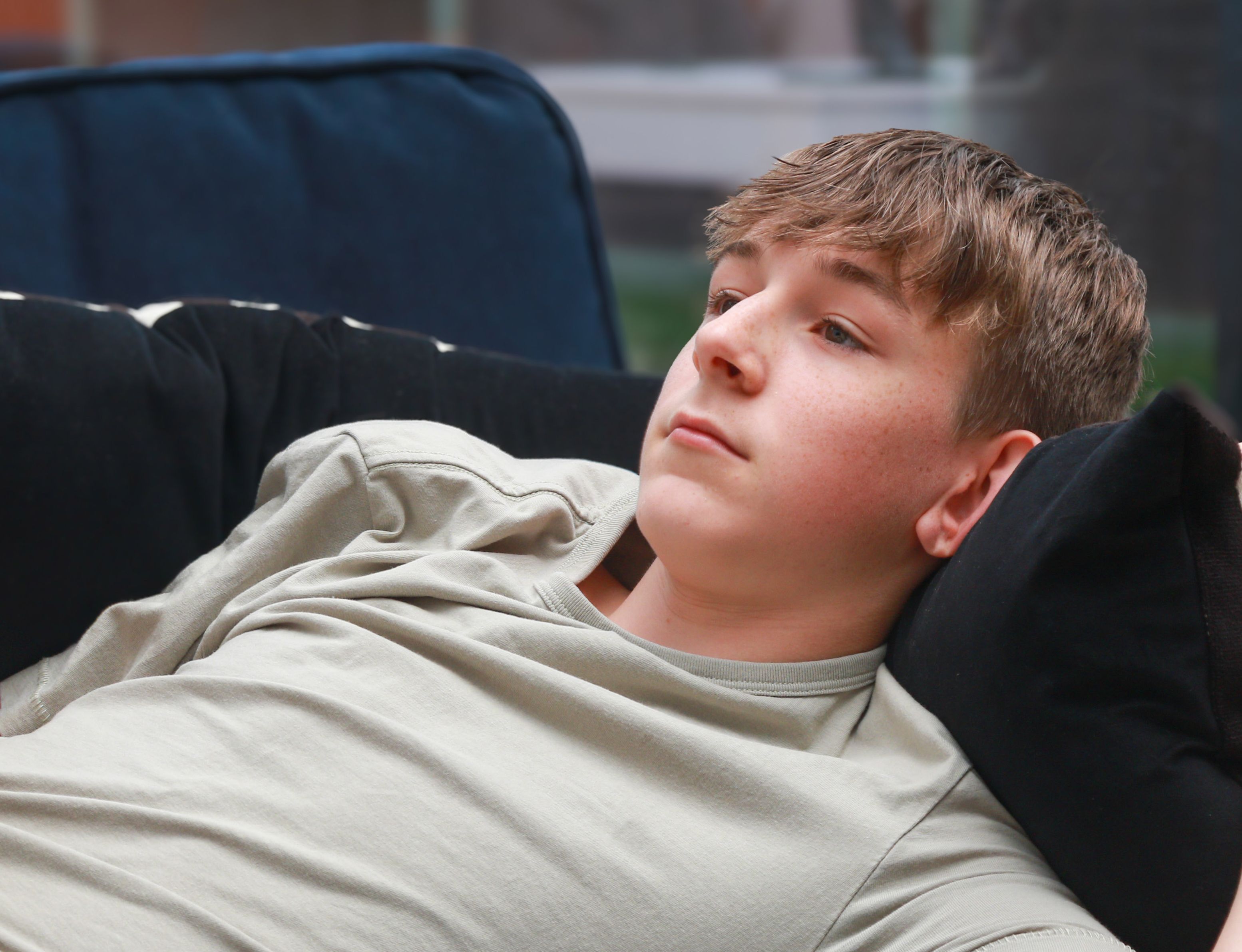
If your child has gone from managing to barely functioning, if they’re exhausted in a way that sleep doesn't touch, withdrawn, tearful, or suddenly unable to do things they used to do easily, you may have found yourself wondering whether they’re burnt out. It’s a word we usually reserve for overworked adults, but children and young people experience burnout too, and for a parent it can be frightening to watch.
This guide is for parents trying to make sense of what’s happening. It covers what burnout actually is, the signs to look for, the two overlapping kinds parents most often ask about, why it builds up, and how to help a young person recover. Where burnout overlaps with a child refusing or dreading school, our guide to emotionally based school avoidance covers that territory too.
What is burnout?
Burnout is a state of deep physical, mental and emotional exhaustion that builds up after a long period of stress. It’s helpful to think of it as a kind of circuit breaker. When a child's brain senses that the demands being placed on them far outweigh the resources they have to meet them, they eventually cut the power to protect themselves. This is not a choice the child is making. It’s closer to an involuntary shutdown, and unlike ordinary tiredness, which a good weekend can fix, burnout is a deeper draining of a child's core reserves.
Burnout is not a formal medical diagnosis in children, and much of what we know comes from autistic adults describing their own experience. So this guide describes and makes sense of a pattern that many parents recognise, rather than handing out a label. What the research does now give us is a clear and consistent picture of what that pattern looks like.
This isn't a child who won't. It's a child who, for now, can't.
The three core signs
If you’re worried your child is reaching this point, three shifts in their everyday functioning are worth watching for. In one small US study where autistic adults described their own burnout, these were the three main features they named [1].
Pervasive exhaustion. This isn't the kind of tiredness a good night's sleep fixes. It’s a child who genuinely lacks the physical and mental energy to sit at the table, hold a conversation, or answer a simple question. The mental effort of processing ordinary information has become too high.
Loss of skills. A child who was once independent may suddenly need help with basic things: getting dressed, brushing their teeth, tidying up. This isn’t a backward step in their development. One way of understanding it is that the brain lets go of complex tasks to save its remaining energy for staying regulated.
Increased sensitivity. The world becomes too much. Clothes feel unbearable, lights too bright, ordinary noise too loud. One way of understanding this is that the filter that usually screens out background sensation has run out of capacity, leaving their senses on high alert.
Two kinds of burnout: masking and school pressure
Parents often want to know whether what they’re seeing is burnout, or autism, or ADHD, and the honest answer is that they overlap. It helps to think of two broad, and often connected, kinds of burnout.
The first is neurodivergent burnout, the picture the three core signs describe most closely. It’s most talked about in autistic children and young people, but ADHD and other neurodivergent children experience it too. It builds from the daily effort of navigating a world not built for them, and especially from masking, which we come to below. An article on the UK National Autistic Society’s website, by the lead researcher of that study, describes it in the same way: long-term exhaustion, loss of skills and reduced tolerance to sensation, building up when masking and expectations go on without enough support [2].
The second is academic or school burnout: exhaustion, growing cynicism about school, and a creeping sense of not being good enough, that builds from sustained pressure to perform. It’s not only the struggling child who is at risk. High-achieving and perfectionist young people are particularly vulnerable, which is why "gifted child burnout" is such a common experience.
One thing the research is clear about is that burnout is not the same thing as depression, even though they can look similar and can feed into one another. Autistic adults describe burnout as a distinct state with its own causes and its own path to recovery, which matters, because approaches aimed only at low mood can miss what a burnt-out child actually needs [3].
Autistic adults described autistic burnout as different from work burnout or depression. They said it comes from long-term stress and a gap between what is expected of them and what they can manage, without enough support.
Why it builds up: cumulative load and the cost of masking
As parents, we often look for a single event, bullying, a hard subject, a specific argument, to explain why a child is struggling. But burnout is rarely caused by one thing. It’s usually the result of stress that has been quietly stacking up: the social effort of the playground, the strain of sitting still in a noisy classroom, the pressure to keep up academically, and the internal work of hiding the parts of themselves that feel different in order to fit in.
That last part, masking, carries a particularly heavy cost. Many children, especially those who are neurodivergent or highly sensitive, spend the whole school day copying social cues and holding their natural responses in check. It’s exhausting work, and it’s not imaginary. In a study that checked in with autistic adults through their ordinary days, the more someone was masking at a given moment, the more stressed they felt [4]. When a child finally reaches burnout, they often lose the ability to mask at all. That’s why parents so often see a sudden change in personality, or a rise in meltdowns, the moment their child gets home.
Because this load builds slowly, exhaustion is often the first part of burnout to show, well before anyone would think to call it burnout. Studies that followed secondary school students found it was the first sign of school burnout to develop [5]. That makes tiredness that doesn't lift worth taking seriously, rather than waiting for a bigger collapse.
48 of 52
studies reviewed found school and exam pressure linked to worse teenage mental health, including depression, anxiety and self-harm
The link with mental health
School burnout matters partly because of where it can lead. Studies that followed teenagers over several years found that school burnout tended to come before low mood, more often than the other way round. The two then fed into each other in a cycle [7]. Catching the exhaustion early, and easing the pressure, is one of the clearest ways to stop that cycle taking hold.
School burnout was more strongly linked to later low mood than low mood was to later burnout, and the two built on each other through the teenage years.
None of this is rare. Struggle at school is common: in one large study of teenagers, most were either stressed or burnt out, rather than coping well.

For the wider picture of how many young people are struggling, around one in five children aged eight to sixteen in England had a probable mental health condition in 2023 [9]. Burnout is one of the ways that distress can show itself.
Supporting your child through recovery
If your child is in active burnout, the goal needs to shift, from performance to recovery. One way of understanding burnout is that the body is either on high alert or in a kind of shutdown. On that view, the route back is through feeling safe, not through effort. In one small study, the things autistic adults described as helping them recover were rest and time off, lower expectations, time to be themselves, and acceptance and support from the people around them [1].
Prioritise low demand. This is often the hardest step for a parent, and one of the most important. Ease off homework, chores and social commitments wherever you can. A child in burnout often needs a stretch of genuinely low-pressure rest. One way to think about it is that every demand you take away is energy handed back to their recovery.
Create a safe base. Lean into the activities that bring genuine comfort and cost very little: a familiar film, drawing, gaming, being in a calm and quiet space. These are not distractions from the problem. They can help the body calm down and move back towards rest.
Follow their lead. During burnout a child may withdraw a great deal. You can support them simply by staying close, calm, and available, without demanding their attention or energy. Sometimes just sitting in the same room while they play a game is the most powerful thing you can offer.
“When a young person comes to me in burnout, the first thing we do is take the pressure off, not pile more on. I help families see that the exhaustion and the lost skills are real, and that recovery starts with lowering demands and rebuilding a sense of safety, rather than pushing through. In those early weeks we go slowly and follow the young person's lead, and bit by bit their energy and their confidence start to come back.”
 DebbieMBACP, Finding TherapyView profile
Should you keep them off school?
The aim is always to help a child stay connected to the world, but there are times when a child needs a genuine pause. If a child is in active burnout, pushing them to carry on can lengthen the recovery and raise the risk of them coming to dread school altogether.
This isn't about giving up on education. It’s about repairing the foundation. A regulated child can learn; a burnt-out child cannot. Taking time for low-demand recovery is not a failure, any more than resting a broken leg is. You wouldn’t ask a child to run on it, and a child in burnout cannot perform in a high-pressure classroom until they’ve had the chance to heal.
Talking to school
It’s common to feel some pressure from school to keep attendance up. Many schools don’t yet have a way of thinking about burnout, and can mistake it for school refusal or a discipline problem.
When you talk to them, it can help to use the language of health and wellbeing rather than behaviour. You might explain that your child is going through a period of significant exhaustion and sensory overload, that you’re focusing on rest and helping their nervous system recover, and that this is what will let them return to learning in a way that lasts. You don’t need clinical jargon to be taken seriously. Being calm, clear and consistent about what you’re seeing at home is often what moves the conversation. For more guidance on this, read our post on talking to school about mental health.
Recovery isn't a straight line
Recovery from burnout is rarely tidy. You might see a rebound, a great day where your child seems like their old self, followed by a crash the next. Ups and downs like this are a common part of recovery, and usually not a sign that things are going backwards. One way of understanding it is that your child is testing their limits.
It can help to think of recovery in stages:
- Safety and rest. The first goal is simply to stop the draining of energy.
- Regulation. Gently introducing small, low-stakes demands to see how your child responds.
- Re-engagement. Slowly bringing back social and educational life, in a controlled, low-pressure way.
Good relationships with parents are linked with protection against school burnout [5]. Your steady presence is doing more than it may feel like it is.
When to get more help
It’s worth talking to a professional if exhaustion and withdrawal seem to be settling in rather than passing. The same goes for a child losing skills or falling away from friends and school, or distress that isn’t easing however much you lower the demands at home. You don’t need to wait for a crisis: if you’re worried, that’s reason enough to ask for help.
A good place to start is your GP, or your child's school SENDCO, who can look at adjustments and, where needed, a route into NHS support. Because burnout so often travels with other things, our guides to anxiety, autism support and low self-esteem may also help you make sense of the fuller picture.
Talking therapy can help too, both with recovery and with understanding what tipped a young person into burnout. At Finding Therapy, you can browse our counsellors and choose someone for your child yourself. We’ve vetted every one of them, and we’ve known them for years. If you’d like help choosing, you can book a free consultation with Helen Spiers, our Head of Counselling. We’re a private, paid service with no GP referral needed, there’s currently no waiting list, and we work with children and young people aged 6 to 25.
Counselling isn’t the right first step in a crisis, and Finding Therapy is not a crisis or emergency service. If you believe your child is in immediate danger, call 999 or go to A&E. If you’re worried about their safety, or they talk about not wanting to be here, contact your GP and ask for an urgent appointment. You can also call NHS 111 and choose the mental health option. You don’t have to be sure how serious it is before asking for help. If you’re unsure, call NHS 111.
Your child can also talk to Childline on 0800 1111, call Samaritans on 116 123, or text SHOUT to 85258.
The thought of your child missing school or falling behind is daunting, but burnout is a real, physical response to too much for too long. With rest, time and the right environment, recovery is very possible, though progress varies and can include setbacks. Giving them the space to recover now is not lowering your hopes for them. It’s protecting the foundation everything else is built on, and teaching them to notice and respect their own limits.
Frequently asked questions
References
- Raymaker et al. (2020). Defining Autistic Burnout., Autism in Adulthood. https://doi.org/10.1089/aut.2019.0079 Accessed 2 July 2026. ↩
- National Autistic Society (2022). Autistic burnout., National Autistic Society. https://www.autism.org.uk/advice-and-guidance/professional-practice/autistic-burnout Accessed 2 July 2026. ↩
- Higgins et al. (2021). Defining autistic burnout through experts by lived experience., Autism. https://doi.org/10.1177/13623613211019858 Accessed 2 July 2026. ↩
- Scheeren et al. (2025). Masking, social context and perceived stress in autistic adults., Autism. https://doi.org/10.1177/13623613251353358 Accessed 2 July 2026. ↩
- Vansoeterstede et al. (2022). A systematic review of longitudinal changes in school burnout among adolescents., Journal of Adolescence. https://doi.org/10.1002/jad.12121 Accessed 2 July 2026. ↩
- Steare et al., Journal of Affective Disorders (2023). studies reviewed found school and exam pressure linked to worse teenage mental health, including depression, anxiety and self-harm. https://doi.org/10.1016/j.jad.2023.07.028 ↩
- Salmela-Aro et al. (2009). Depressive Symptoms and School Burnout During Adolescence., Journal of Youth and Adolescence. https://doi.org/10.1007/s10964-008-9334-3 Accessed 2 July 2026. ↩
- Salmela-Aro et al. (2020). School engagement and school burnout profiles during high school, European Journal of Developmental Psychology. https://doi.org/10.1080/17405629.2020.1785860 ↩
- NHS Digital (2023). Mental Health of Children and Young People in England 2023., NHS Digital. https://digital.nhs.uk/data-and-information/publications/statistical/mental-health-of-children-and-young-people-in-england/2023-wave-4-follow-up Accessed 2 July 2026. ↩